People experience trauma differently, and so does recovery. A common question after diagnosis is, “How long will PTSD last?” There is no single answer.
Post-traumatic stress disorder (PTSD) is a psychiatric condition triggered by traumatic events such as accidents, assault, abuse, natural disasters, or military combat. Symptoms can appear within a month of the trauma or surface much later.
Some people recover within months with the right support. Others may experience symptoms for years, depending on trauma severity, personal resilience, support systems, and co-occurring mental health conditions. Recovery outcomes significantly improve with evidence-based therapies, medication management, and consistent professional care.
Key Takeaways
- Everyone will experience PTSD in their own way, and each will heal at a different pace.
- If untreated, it can leave symptoms for months, years, or even become chronic.
The earlier the better! - In fact, fish oil was found to be one of the most effective treatments concerning PTSD.
- Specific medications may be used to treat specific symptoms when clinically indicated.
Positive systems of support have a positive effect on recovery. - It’s possible that persons after reaching the mental health care discovery, can get some kind of mental health care artificially and thus they can be capable of controlling and working on their activities in daily life by receiving professional mental health care.
Understanding PTSD
PTSD is a brain disease caused by a brain response when there’s a perceived past threat, but not a present threat. Previously, we’ve listed several different stress reactions which may occur as a result of a traumatic event; these may only occur once, and if they do not cause interference with functioning, they do not represent PTSD; if, however, the stress reaction continues and/or interferes with functioning, it might be PTSD.
4 key categories:
- Intrusive memories/flashbacks
- Trauma Reminders Avoidance
- Changing our attitude and feelings in a negative direction
- Physical/Emotional changes (e.g., irritability/hypervigilance)
Depending on the symptoms which are observed, these can impact relationships, functioning at work, sleeping, health, and well-being.
How Long Does Post-Traumatic Stress Disorder Last?
PTSD isn’t something that will persist for a certain period; some people may feel like it lasts for a few months, others for years. Some individuals can see great results in 6 months to 1 year with early treatment. May suffer symptoms for years or even decades.
Factors which may influence the length of symptoms are believed to be the following:
Nature, brutality, and/or context of the traumatic experience.
- Past trauma experience(s)
- If the person has existing problems of mental health.
- Access to treatment
- Family/social support
- Individual coping skills
PTSD can continue if not dealt with, and have a long-lasting effect on many aspects of life. However, recovery may still be possible after any length of symptoms.
What Do People With PTSD Experience?
One of the most typical emotions those enduring PTSD have is that they feel like they’re living between spheres, not living on one side or the other. In particular, powerful feelings to sounds, smells, sights, and/or feelings are not seen as out of place or “unusual.”
Common experiences include:
- Having upsetting memories of vivid and real things.
- Nightmares (about the trauma)
- Emotional numbness
- Difficulty trusting others
- Chronic fears, guilt, and/or shame.
- Sleep disturbances
- Concentration problems
- Increased startle response
PTSD may occur together with anxiety, depression, and/or a substance use disorder in some patients, so thorough treatment is particularly crucial.
Factors That Affect Recovery Time
Several factors affect the length of time it takes for symptoms of post-traumatic stress disorder to persist.
- Early Treatment
Early assessment and referral to appropriate services can make a difference to outcomes. Prompt action must be taken before symptoms set in. - Type of Trauma
In fact, sometimes, a single short trauma will improve more quickly than multiple or chronic traumas. The person might need to take long-term treatment if his/her problem with abuse is long or if the person has experienced a trauma situation or multiple experiences time and time again. - Support Network
Words of encouragement and support from friends, family, and mental health workers can be the make-or-break in the healing process. - Co-Occurring Conditions
Some mental health disorders (depression, anxiety disorders, addiction disorders, etc.) are known to be able to negatively affect treatment, so participants in some cases may prolong recovery time.
Call Orlando Premier Psychiatry Today
Call (407) 565-3546 today to schedule a confidential consultation and take the first step toward feeling better.
How Do I Get Over PTSD?
Again, there isn’t a single answer that fits all, but it is very treatable. Patients are typically treated by helping them to find better alternatives to trauma and alleviate symptoms.
You may be given any or all of the following treatments:
Trauma-Focused Therapy
Other therapies can be more focused on the trauma to help reprocess traumatic memories in a safe environment. Eye Movement Desensitization and Reprocessing (EMDR), Cognitive Behavioral Therapy (CBT), and/or Cognitive Processing Therapy (CPT) are recommended.
Medication Management
There are some medicines available that can be used to help reduce these symptoms, such as anxiety, depression, sleeping problems and intrusive thoughts. Learn more about medication management.
Lifestyle Changes
Along with professional treatment, healthy habits can be incorporated. These may include:
- Regular exercise
- Consistent sleep habits
- Mindfulness practices
- Stress management techniques
- Using or abusing drugs and alcohol.
Building Support
Having access to trusted family and friends or a support group can help to reduce feelings of isolation and increase resiliency. Consider family therapy as part of your support system.
What Medication is Used for PTSD?
A variety of medications may be prescribed that can help to manage PTSD symptoms. Some of the most popular are called selective serotonin reuptake inhibitors (SSRIs) which include sertraline and paroxetine.
Medications can be used in the treatment of:
- Anxiety
- Depression
- Sleep difficulties
- Mood regulation
These will vary depending on the individual, symptoms and treatment goals. A psychiatric provider, via complete evaluation, can discover the most proper way and course of action.
What to Do When Someone With Complex PTSD Pushes You Away?
Trauma is the most obvious cause of CPTSD, and often there is a history of repeated and/or prolonged trauma. These individuals have difficulties with trust and emotions/relationships.
If the person suffering from CPTSD rejects you:
- Do not become impatient and never skate out (quit).
- Deal with it; otherwise you could become personally involved with their actions.
- Respect healthy boundaries
- Encourage professional treatment
- Provide no pressure
- Communicate in a manner appropriate.
The healing from complex trauma may be a lengthy process, and favorable relationships can influence the healing process.
What are 100% PTSD symptoms?
There are no symptoms that occur in 100% of people with PTSD. This will be different for everyone.
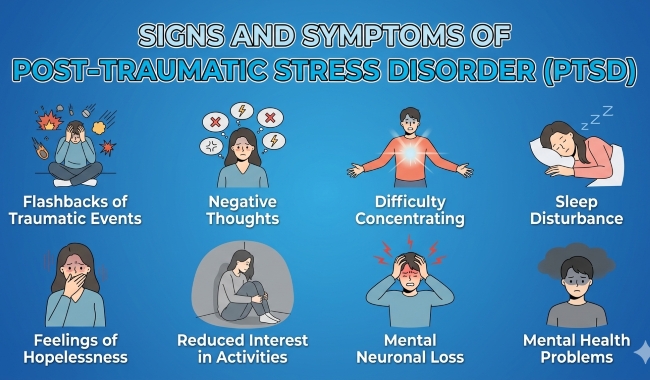
The most frequent, though, are the following:
- Flashbacks
- Nightmares
- Intrusive memories
- Avoidance behaviors
- Emotional numbness
- Hypervigilance
- Irritability
- Difficulty sleeping
- Concentration problems
If symptoms meet the diagnostic criteria for PTSD, they can be diagnosed by a licensed mental health professional who has been trained in the diagnosis. You can book an appointment for a full evaluation.
What are the 7 Major Traumas?
Sometimes a mental health provider will refer to a cluster of possible traumatic events that can trigger PTSD as “trauma.” Examples include:
- Physical abuse
- Sexual abuse/harassment
- Serious accidents
- Military combat exposure
- Natural disasters
- Being exposed to violence/death
- Psychological/Emotional abuse
Trauma alone could cause PTSD, but not all people who experience trauma do become sufferers of PTSD.
When Should You Seek Professional Help?
Professional assessment is encouraged if the following occurs: if there has been no improvement on self-help measures, if any symptoms are interfering with quality of life, or if the person is getting increasingly worried by their symptoms.
Warning signs include:
- Becomes anxious or panics readily
- Ongoing sleep problems
- Relationship difficulties
- Emotional withdrawal
- Substance misuse
- Thoughts of self-harm
Early intervention can play an important role in achieving better outcomes and reducing the future impact of trauma. Visit our Contact Us page to reach out today.
Conclusion
However, when someone asks, ‘How long does post-traumatic stress disorder last?’ it is well remembered that there is no length of time or date for the known experience, often called post-traumatic stress disorder. They may be resilient in place, with support systems and good treatment related to the type of trauma that was experienced.
There is good news: PTSD can be treated. So many people, with the help of professionals, based on evidence of you, and the right psychiatric assistance, see so much improvement and come back to so much stability, confidence and hope.

Ready to Start Healing?
We know how often trauma can be overwhelming; at Orlando Premier Psychiatry, we understand the difficulties. A supportive staff that provides individual mental health treatments that help people conquer PTSD and head towards a healthy future.
Get the help you need today in a confidential appointment with Orlando Premier Psychiatry. Give us a call today at (407) 565-3546.
Frequently Asked Questions
How long does PTSD usually last?
PTSD may last several months, years, or longer depending on trauma severity, treatment access, support systems, and individual factors. Many people experience significant improvement through therapy, medication management, and consistent mental health care.
Can PTSD go away on its own?
Some individuals experience symptom improvement over time, but persistent PTSD often requires professional treatment. Therapy, healthy coping strategies, and psychiatric support can help reduce symptoms and improve overall functioning.
Is PTSD considered a lifelong condition?
Not necessarily. While some people experience chronic symptoms, many achieve substantial recovery with evidence-based treatment. Early intervention and ongoing support often improve long-term outcomes and quality of life.
Can medication cure PTSD?
Medication does not cure PTSD, but it can help manage symptoms such as anxiety, depression, sleep disturbances, and emotional distress. It is often most effective when combined with psychotherapy and supportive care.
When should I seek help for PTSD?
Seek professional help if symptoms persist beyond one month, worsen over time, interfere with relationships or work, or cause significant emotional distress. Early treatment may improve recovery and overall mental wellness.
Disclaimer
This blog is intended for educational and informational purposes only and should not be considered medical advice, diagnosis, or treatment. Always consult a qualified healthcare professional regarding any mental health concerns or before starting, changing, or stopping any treatment plan.
References
- Mayo Clinic. Post-Traumatic Stress Disorder (PTSD): Symptoms and Causes.
- Cleveland Clinic. Post-Traumatic Stress Disorder (PTSD): Overview, Symptoms, Causes, and Treatment.
- National Institute of Mental Health (NIMH). Post-Traumatic Stress Disorder Resources.