Daily life with the impacts of trauma can seem very difficult. Some people develop symptoms that are so disruptive that they are unable to hold down a job, maintain normal routines, or engage in everyday activities. If you are considering disability for PTSD, it helps to know not only the criteria but also the steps to filing for disability and the benefits available to you.
We at Orlando Premier Psychiatry feel that having the correct information will help them to stand upright and advocate for themselves and get the assistance they need.
Key Takeaways
- PTSD can also be recognized for getting disability benefits if signs and symptoms considerably hinder functioning and the capacity to work.
- The Social Security Administration (SSA) considers PTSD as part of the trauma- and stressor-spectrum disorders.
- It’s crucial to have documentation when applying for disability benefits.
- Eligibility will be determined by the severity of the symptoms and the extent to which the symptoms affect functioning.
- Medical and non-medical evidence are used to make disability decisions.
Understanding PTSD and Disability Benefits
Post-traumatic stress disorder (PTSD) is a mental health disorder that can occur following exposure to and experience of an overwhelming event. The Social Security Administration has deemed PTSD as a trauma- and stressor-spectrum disorder, and it can be eligible for disability benefits when symptoms significantly interfere with an individual’s functioning or employment.
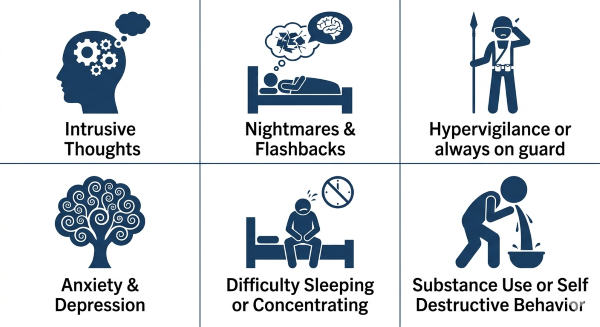
They might have memories of the trauma which intrude, bad dreams, and avoidance behaviors; they may be irritable and emotionally distressed and have problems with sleep and concentration. These problems can impact relationships, productivity, and the quality of life.
Some people may be eligible to claim disability with the Social Security Disability programs when their symptomatology becomes severe and chronic.
Can You Get Disability for PTSD?
Yes. PTSD is a potentially debilitating condition which is recognized by the SSA. But it’s not as if you can get PTSD disability benefits easily. The SSA will consider the extent to which symptoms affect a person’s work-related activities or ability to function in everyday life.
Areas that are generally taken into account during the evaluation are:
- The symptoms’ nature and severity
- Duration of symptoms
- Impact on daily activities
- Ability to interact with others
- Can concentrate and get things done
- Adaptability and handling responsibilities
All applications are considered on an individual basis, and eligibility is based on the evidence provided.
What Qualifies Someone for Disability Benefits?
People who are seeking disability for alleged PTSD generally need to indicate that the symptoms associated with the disorder interfere greatly with functioning to be considered disabled.
The SSA deems that there is evidence that:
- Long-term upset about traumatic experiences
- Trouble with paying attention and/or with remembering things.
- Issues with social interactions.
- Raised stress responses or emotional helplessness.
- Sleep disturbances
- Experiencing difficulty getting adjusted to working environments
Diagnosis does not solely focus on diagnosis per se. Rather, the SSA considers the interference of PTSD symptoms on the individual’s functional ability to engage in sustained work and everyday activities.
Important Evidence for a PTSD Disability Claim
The value in getting disability for PTSD is the documentation involved.
Evidence that could support your answer could consist of:
- Mental health evaluations
- Providers’ progress notes
- Descriptions of the things you can’t do every day
- Work history records
- Documenting severity of symptoms
- Report from family members/carers
Information from treating providers is often crucial in assessing mental health-related disability claims due to their expertise in determining severity and providing functional limitations, the SSA says.
Need Guidance About Mental Health Concerns?
Having PTSD symptoms that interfere with life can certainly be helped by receiving professional support and accurate information. Orlando Premier Psychiatry offers helpful mental health care and information to assist people in becoming better aware of their choices.
How the SSA Evaluates PTSD
PTSD is evaluated by the SSA as a mental disorder in its trauma- and stressor-related category. The review process emphasizes the functional limitations as opposed to diagnosis alone.
Typical areas assessed include:
Understanding and Remembering Information
Concentration, memory and processing of information may be impacted by PTSD symptoms. May have trouble keeping steps in mind or following through on tasks.
Social Interaction
People with PTSD may avoid, mistrust, withdraw from or have trouble relating to friends, co-workers, supervisors, or the public.
Concentration and Task Completion
It can be hard to concentrate for long periods of time because of intrusive memories, anxiety, sleep issues and emotional issues.
Adaptation and Stress Management
Symptoms can be triggered by changes in routine, demands at work, or stressful situations and can cause symptoms that disrupt functioning.
The SSA will review all of the evidence available to them to confirm or deny the presence of severe restrictions to qualify for benefits.
Contact Orlando Premier Psychiatry today at (407) 565-3546 for more information on support and resources for mental health.
How Difficult Is It to Get Disability for PTSD?
Some individuals ask themselves, “Is it hard to receive a disability for PTSD?
This will depend on various factors such as the severity of the symptoms, the amount available, and the clarity with which functional limitations are illustrated.
There are potential challenges when filing an application when:
- Doctors who didn’t fill out records very well.
- Little documentation of symptoms
- The level of functional limitations is not clearly explained
- Evidence does not show a continuing impairment.
- Good paperwork and regular documentation can be vital to a disability application.
Common Challenges During the Application Process
The disability benefits application process can be daunting.
Some experience problem(s) like the following:
- Gathering supporting records
- Understanding eligibility requirements
- Completing forms accurately
- Images that show the impact of symptoms on life
- Executing tasks according to schedule and answering queries for information
This can help minimize delays and enhance the process by staying organized and keeping thorough records.
Why Functional Impact Matters
Sometimes, it is believed that a PTSD diagnosis is sufficient for the services to be provided. Actually, it is the SSA’s job to focus on functional impairment in daily life.
For instance, an individual might notice:
- Frequent emotional distress
- Difficulty maintaining attention
- Issues with completion of everyday activities
- Social withdrawal
- Has difficulty adjusting to workplace demands
The more severely it affects someone’s daily living and/or work functioning, the more likely the SSA will find it disabling.

When to Seek Professional Guidance
Professional advice can help clear up the confusion and steps to take if PTSD symptoms are negatively affecting your work, relationships, or day-to-day responsibilities.
Knowing your mental health needs and how to record your symptoms and information about available resources can help you make decisions in your best interests for your future.
Get the Next Step to Support
PTSD problems can not be addressed alone. Orlando Premier Psychiatry is here to help you with your questions about mental health, support, and information.
Call Orlando Premier Psychiatry today at (407) 565-3546 and spend some time with a caring individual who is able to give you insight into available resources regarding mental health.
Disclaimer
This blog is intended for informational and educational purposes only and should not be considered legal, disability, financial, or medical advice. Eligibility for disability benefits is determined by the Social Security Administration based on individual circumstances and supporting evidence. Always consult qualified professionals regarding your specific situation.
Frequently Asked Questions
How difficult is it to get disability for PTSD?
Getting disability for PTSD can be challenging because the SSA requires evidence showing that symptoms significantly affect daily functioning and work-related activities. Comprehensive documentation and clear records often strengthen an application.
How much is PTSD disability pay?
PTSD disability payments vary depending on the disability program, work history, earnings record, and individual circumstances. There is no fixed amount, as benefits are calculated using specific eligibility and financial criteria.
What qualifies for PTSD disability?
PTSD may qualify for disability when symptoms substantially limit a person’s ability to function, work, interact with others, concentrate, or manage daily responsibilities. The SSA reviews evidence demonstrating these ongoing limitations.
How to get 70% disability for PTSD?
A 70% PTSD disability rating generally relates to VA disability evaluations rather than Social Security benefits. The rating depends on symptom severity, occupational impairment, and how symptoms affect overall functioning.
What is 50% disability for PTSD?
A 50% PTSD disability rating is commonly associated with VA disability compensation. It typically reflects significant symptoms that affect social and occupational functioning but do not result in total impairment.
Is PTSD a serious mental illness?
Yes. PTSD can be a serious mental health condition that affects emotional well-being, relationships, daily functioning, sleep, concentration, and quality of life. Severity varies, but symptoms can be highly disruptive for some individuals.
References
- Social Security Administration. Posttraumatic Stress Disorder Fact Sheet.
- U.S. Department of Veterans Affairs. Disability Compensation for PTSD.
- American Psychiatric Association (APA). Diagnostic and Treatment Information for PTSD.
- Substance Abuse and Mental Health Services Administration (SAMHSA). Trauma and Mental Health Resources.
- Social Security Administration. Fact Sheet for Mental Health Care Professionals. Available at: https://www.ssa.gov/disability/professionals/mentalhealthproffacts.htm