Key Takeaways
- Sleep has an impact to a positive mood.
- Exercise is used to change and regulate emotions and energy.
- There’s a therapy that can help in knowing your triggers as well as coping with your emotions.
- Stress management remedies can help to decrease mood swings.
- By tracking moods, Trasel can help to understand the patterns and warning signs.
- Emotionally Resilient people have some of the following characteristics: healthy relationships and support.
- Drinking alcohol and recreational drugs will make the symptoms of BD worse.If, however, you
- considering anything else besides intoxicants, you will require a certain amount of professional direction or aid.
The lack of a bipolar disorder diagnosis can definitely make you feel like you’re on a “roller coaster. Some days you’re more upbeat; those thoughts swirl, you feel good; those days are full of energy; some day’s are heavy, overwhelming and exhausting.
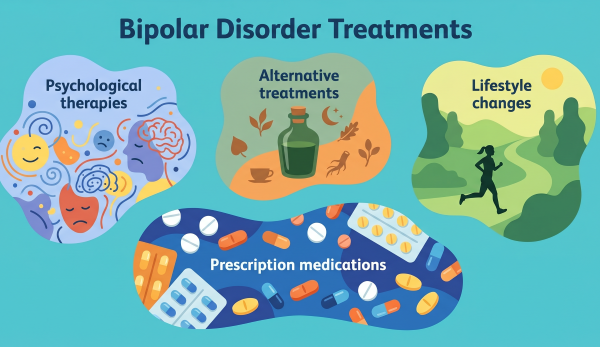
One of the most common forms of treatment is BD treatment without drugs, which is known as non-drug treatment.
Your treatment plan for BD is likely to include medication, but there are ways some want to work toward improving their mood, focusing on making changes to their lifestyle, having healthy habits and taking therapy.
The primary step in learning how to live with bipolar without drugs is comprehending the impact that it has on your mood as well as your energy, your sleeping habits and your overall functioning. Some may wish to try non-medication treatment and the stability and quality of life it brings, but no changes should be made without consulting a qualified Mental Health Professional.
Perhaps you’re asking yourself, what about controlling the bipolar disorder without the use of medication?
The most suitable ones in this respect are related to improving a life’s stability. For some, many of the moods pass on a periodic basis and research and mental health professionals have recommended that maintaining a solid sleep program, finding ways to deal with stress, therapy, regular exercise, good nutrition, social supports, monitoring moods levels, and avoid alcohol and recreational drugs help reduce the occasional fluctuations in mood.
Although in some people these treatments could help with controlling symptoms, many need professional assistance with their bipolar disorder. Not only to soothe the symptoms, but to create the best emotional state/balance for the longer term.
Understanding Bipolar Disorder
Bipolar disorder is a mental condition that is defined by changes in mood, energy, activity and focus. Changes typically include increased amounts of mood (also known as “mania” or “hypomania”) and decreased mood.
It is important to understand that BD actually impacts many
of the brain, how you’re coping with stress, emotions and sleep cycles as well as to understand the role it is playing. Each individual is different and similarly the symptoms and the management are different.
Prioritize Sleep Consistency
Taking a normal sleep program, apart from medications, is the best way to take care of a person with BD.
Verywell Mind even mentions that sleep disturbances can cause the very manic and depressive episodes. Sleep times (and waking-up times) should be regular, so that the internal clock mechanism works and for emotions.
Some sleep habits to help are the following:
Be sure to power off the TV every night.
Caffeinated beverages like coffee, tea or energy drinks at night are a NO NO!
Creating a relaxing bedtime routine
How to keep Bedroom Cool and Comfortable.
- Normal sleep and wake daily habits.
- Any improvement will make a significant difference in sleep, mood control, even a small improvement.
Develop a Structured Daily Routine
- Numerous people suffering from bipolar disorders like predictable and structured environments.
- It’s also self-care to have a routine or a plan for every day of the day, which will reduce the number of things that are stressing you out, or you are unsure about that bipolar disorder may have added to your life.
- Structured Routines for normal sleep, food, productive and emotionally healthy coping Support.
Consider scheduling:
- Consistent meals times
- Daily exercise
- Relaxation activities
- Social interactions
- Being at school and getting on the job.
- Predictable routines anchor in changes of emotions.
Use Therapy as a Support Tool
- Since one of the best treatments for bipolar is therapy, it’s a great way to manage it without pills.
- An expert therapist will be capable of discovering emotions that are causing problems, developing coping skills, bolstering strategies and improving relationships.
- Psychotherapy might be helpful in deciding how to know if there is a change in mood before it gets troublesome.
Therapy can also help in treating people for:
- Improve emotional awareness
- Develop stress-management skills
- Improve communication skills
- Strengthen problem-solving abilities
- Create individually-tailored wellness programs
That’s where experts can come in and make them accountable and give them direction when dealing with BD.
Exercise Regularly
- Functioning well is a big component of psychological wellness.
- The body is producing endorphins and other chemicals to help lift mood, which will in turn keep stress levels well naturally during the time the person is exercising.
- However, for those considering “bipolar without meds,” exercising regularly can be added to the list of other forms of self-care.
These are some good activities:
- Walking
- Swimming
- Yoga
- Cycling
- Strength training
- Dancing
Moderate exercise is recommended to be done at least 150 minutes a week according to most doctors. The main key is to not use a lot of practice, practice, practice!
Reduce Stress Whenever Possible
A common precipitant is to lead up to a mood episode with stress.
Strategies for stress management can help control bipolar disorder without medication; they can help prevent the nervous system from becoming overloaded with too many emotions, and maintain regulation.
There are some techniques which can help minimize stress, such as:
- Deep breathing exercises
- Meditation
- Mindfulness practices
- Journaling
- Appreciation of nature
- Limiting unnecessary commitments
Stress is NOT supposed to be taken out of life! Rather, it encompasses the learning of new skills or habits that will meet the needs of life.
Need Professional Support for Bipolar Disorder?
In addition to providing stigma-free mental health services, our professionals here at Orlando Premier Psychiatry are highly adept at providing stigma-free mental health care uniquely tailored to each individual to alleviate his/her suffering and achieve a more balanced and healthy life.
If you’ve been newly diagnosed with a mood disorder or you are wondering a bit about therapy or you just want some ideas of how to deal with a mood disorder, here you are.
If you are interested in the treatment or if you want to learn about your next step to achieve emotional wellness, give us a call today at Orlando Premier Psychiatry at (407) 565-3546 to schedule a private consultation.
Focus on Nutrition and Healthy Eating
- Foods that we eat and their effect on our mood.
- A bipolar disorder diet is not a specific diet to cure the disorder, rather a healthy diet is necessary to help control one’s emotions.
- Those interested in treating their bipolar without using medication should focus on what they eat and rehearse a balanced diet from which they’ll derive the resources they need throughout the day.
Eating well means:
- Eating regular meals
- Staying hydrated
- Choosing whole foods
- Eating very small amounts of processed varieties, in general.
- This is because of decreased consumption of sugar and sugar-sweetened drinks.
- It may help to keep blood sugar at a stable level, which can help to minimize fluctuations in mood and energy levels.
- Throughout this unit you will be able to learn how to monitor mood changes.
Track Your Mood Patterns
A mood diary or mood tracking app might be utilized to uncover trends in life behaviors that have influenced your mood, such as sleep disorders, stress, relationships and activities. These records over time may be used to see the first signs of emotional changes.
Monitor and monitor problem areas, such as:
- Mood changes
- Sleep duration
- Energy levels
- Stressful events
- Exercise habit
- Social interactions
If the problem is small, it will be identified, and consequently, it will not start to become a bigger problem.
Build a Strong Support Network
Social interaction is among the extremely important areas of mental health.
Many individuals who have a positive response to a medication-free approach to dealing with bipolar have positive relationships with family, friends, therapists and peer support groups.
Supportive individuals can:
- Offer encouragement
- Recognise signs/symptoms for help
- Provide accountability
- Reduce loneliness and isolation
- To provide assistance and aid in disaster
You can help others whom you care for understand your needs and experiences by communicating with them.
Avoid Alcohol and Recreational Substances
- Drugs of amusement (and recreational drugs), as well as alcohol, can cause mood imbalances.
- If the person is trying to control the bipolar disorder without the use of medications, it’s especially vital to avoid any product that has an impact on the brain chemistry of the individual.
- Alcohol disturbs sleep, causes distortions of thought and deepens depression; Lability of mood with other drugs.
- Healthful lifestyle patterns can be used to maintain a greater level of emotional steadiness.

Self-Awareness & Acceptance Practice
It’s not a matter of controlling BD. Openness to knowing, A Live Response.
It’s poignant: Understanding the signs of emotional changes, what factors aggravate them, and a bit more loving-kindness to oneself are all aids in the handoff of bipolar without drugs.
Self-awareness is an individual’s opportunity to prevent exacerbation of their symptoms.
Be cognizant that setbacks might occur. At times, it’s more about consistency and less is way more than perfection!
When Professional Guidance is Important
While lifestyle may be helpful, professional supervision can be helpful when it comes to dealing with bipolar disorder.
Seek professional help if symptoms start to significantly impact on relationships, functioning at work or safety concerns. Your mental well-being career specialist helps with choices on treatment and can generate a treatment plan that includes both your objectives and requirements.
Final Thoughts
The combat of bipolar disorder without medication generally involves a combination of different healthy lifestyle strategies, rather than one specific strategy. Emotionally stable: It’s good to relieve stress, eat properly, get good sleep, do physical activity, attend therapy, monitor your mood and help you stay positive by having the right folks to support you.
When it comes to having structure and guidance from those trained in managing bipolar, yes… there are ways to do so without medication… however, a person’s path of how bipolar can be handled is different. With the guidance of compassionate and well-qualified mental health professionals at Orlando Premier Psychiatry, you will work out the best way for you to do what is safe and effective for your health in the long term.
Frequently Asked Questions
Can bipolar disorder be managed without medication?
Some individuals may improve symptom management through therapy, healthy routines, stress reduction, exercise, and sleep consistency. However, bipolar disorder varies significantly between people, and professional guidance is important when considering any non-medication approach.
What lifestyle change helps bipolar disorder the most?
Consistent sleep is often considered one of the most important lifestyle factors. Regular sleep patterns help regulate mood, reduce emotional instability, and support overall mental wellness, making them a critical part of symptom management.
Does exercise help bipolar disorder?
Yes. Regular physical activity may improve mood regulation, reduce stress, increase energy, and support emotional resilience. Exercise also contributes to better sleep quality, which is closely connected to bipolar symptom stability.
Can stress make bipolar symptoms worse?
Yes. High stress levels can trigger mood changes and increase the likelihood of manic or depressive episodes. Learning stress-management techniques can help reduce emotional strain and improve day-to-day stability.
Why is mood tracking important for bipolar disorder?
Mood tracking helps identify patterns involving sleep, stress, relationships, and daily habits. Recognizing these patterns early allows individuals to respond proactively and seek support before symptoms become more disruptive.
Disclaimer
This article is intended for educational and informational purposes only and should not be considered medical advice, diagnosis, or a substitute for professional mental health care. Always consult a qualified healthcare provider regarding concerns about bipolar disorder or any changes to your care plan.
References
- Verywell Mind. Managing Bipolar Disorder Without Medication.
- National Institute of Mental Health (NIMH). Bipolar Disorder Resources.
- Depression and Bipolar Support Alliance (DBSA). Bipolar Disorder Education and Wellness Resources.
- American Psychological Association (APA). Mental Health and Wellness Guidance.