Key Takeaways
- This is an inexpensive response to depression, anxiety, PTSD and chronic pain treatment by the assistance of ketamine treatment.
- The infusion is rapid-acting with IV ketamine.
- Ketamine is more convenient orally; but its absorption is low in the body.
- The intervention plan is determined by the symptoms, the medical history, and the prescribed recommendations of mental health practitioners.
- The two types can be applied to treat those who have not responded to traditional medicines.
The mental health treatment is in a constant process of changes that provide individuals with depression, anxiety, PTSD, and other disorders with new hope of survival. The ketamine therapy is offered in various forms but the most common one is the comparison of Ketamine IV Infusions and Oral Ketamine. IV infusions are used to provide medication right into the bloodstream to achieve quicker effects and oral ketamine has a slower effect and is not as bioavailable, as it is absorbed through digestion.
Ketamine treatment is not like other antidepressants. This could slow down the speed of symptom relief because it is capable of acting in brain processes linking with mood, stress and emotional response in a few weeks and not months. However, the manner of the treatment delivery can also play a decisive role in the process of the treatment.
This is a psychiatric services guide which defines the most crucial variations of IV ketamine and Oral Ketamine, the advantages and disadvantages of both, the effectiveness, and the expectations of the patients.
Ketamine IV Infusions vs. Oral Ketamine
The significant difference between Ketamine IV Infusions and Oral Ketamine is the route of entry of the drug into the organism. IV infusions of ketamine assists adoption of direct intravenous administration to the blood and it is faster and more effective, unlike the slower method of absorption through the digestive tract of taking them orally.
They include the following major differences:
- IV: IV ketamine has a quick response to the symptom and allows the dosage to be controlled.
- Oral ketamine: Less convenient and lower absorption.
- Monitoring: IVS means that treatment is represented.
What is Ketamine?
Ketamine is a drug that was initially used as an anesthetic during the 1960s. Over the past few decades, researchers have found out that it can also be used with people having severe mental health problems. Ketamine is currently also used in psychiatry to assist individuals with such conditions as:
- Treatment-resistant depression
- Anxiety disorders
- PTSD
- Bipolar depression
- Chronic pain conditions
Ketamine acts by interfering with the activity of glutamate, which is one of the neurotransmitters of learning and mood as well as neural connectivity. The mechanism can assist the brain in developing new pathways that have been related to enhanced emotional balance.
What is Oral Ketamine Therapy?
Treatment using oral ketamine requires the consumption of ketamine tablets, lozenge or liquid. The absorption of the drug takes place to the blood through the digestive tract. Some percentage of the drug is broken by the liver, hence oral administration of ketamine is inaccessible to the body as compared to IV administration.
The following characteristics are incorporated in oral ketamine therapy:
- Slower absorption
- Increased level in the blood plasma
- Flexible dosing period opportunities
- The ease of a certain course of treatment
Oral ketamine may yet be of benefit to some people with their symptoms despite its low absorption rate.
What is IV Ketamine Infusion Therapy?
Ketamine infusion therapy is also an IV therapy that involves the introduction of ketamine into blood via a vein. This is because it allows the provider to tightly control the dose and schedule of medication management. IV therapy results in significantly higher bioavailability since it is not digested.
The important characteristics are the following:
- Rapid symptom relief
- Precise dosage control
- Treatment requires constant observation
IV therapy can be characterised by visible changes after a few sessions in individuals who find themselves in severe or depression treatment plans.
What is Ketamine Infusion Used For?
Ketamine infusion therapy is used as a form of treatment to help those that have not been responding positively to the less effective set of antidepressants or the conventional therapy alone. The typical instances that are treated with the help of ketamine infusion are:
- Major depressive disorder
- Treatment-resistant depression
- Post-traumatic stress disorder (PTSD)
- Anxiety disorders
- Chronic pain syndromes
- Bipolar depression
As ketamine is not like the traditional drugs, there is a possibility that it can relieve pain in some cases that could not be relieved through other drugs, which are administered to manage the pain.
Ketamine Infusion Therapy for Depression and Anxiety
Depression and anxiety treatment has been promoted particularly due to the therapy of ketamine which cannot be treated by conventional medicines. It has been suggested that ketamine can instigate a swift and effective recovery in communications that occur amid brain cells, which are engaged on mood regulation.
Some possible advantages are the following:
- Rapidly relieves symptoms as opposed to other generic antidepressants.
- Reduced suicidal thoughts in chosen patients.
- Greater emotional flexibility.
- Better response to therapy.
New approach to recovery should also be offered through ketamine therapy to those who have tried various options in drug therapies and have been found to be futile.
Side Effects of Oral Ketamine Therapy
Oral ketamine represents, like any other medication, side effects. These effects are short lived and the psychiatric evaluation process usually involves follow ups for such effects. This is bound to lead to side effects and these include:
- Dizziness
- Nausea
- Mild dissociation
- Fatigue
- Changes in perception
- Temporary increase in blood pressure
Oral ketamine is not absorbed rapidly thus having fewer side effects than the ketamine IV route although experiences of people are different.
Side Effects of Ketamine IV Infusion
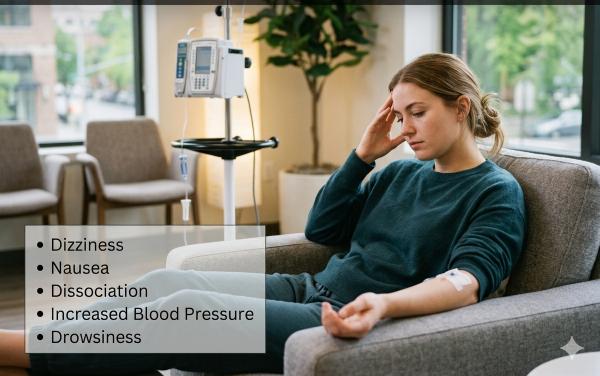
Ketamine IV infusion therapy may have short-term effects on the implementation or near-implementation. Most of the symptoms are resolved quite soon after the lapse of the side of the infusion. Common side effects include:
- Mild dissociation
- Elevated blood pressure
- Drowsiness
- Blurred vision
- Nausea
- Temporary confusion
In carrying out the infusions, the medical surveillance would be helpful in safety and allow the treaters to make corrections.
Benefits of Ketamine IV
The IV ketamine therapy can be called the most effective time of delivery since it is extremely bioavailable and doses are controlled. The benefits of IV therapy include the following:
- Rapid symptomatic pharmacological relief
- Precise dosage control
- Higher absorption rate
- Direct exercise shall be monitored at the time of the treatment
- Constantly changing therapy impacts
Due to such benefits, IV therapy is often prescribed to those who have florid or incurable depression.
Benefits of Oral Ketamine
Oral ketamine treatment presents another list of benefits that can be applicable in specific mental health services programs. Potential benefits include:
- Even more convenient to more patients.
- Lower cost in many cases.
- Flexible dosing schedules.
- Delivery of medicine slowly.
When it comes to the seriousness of the concern of the people who have an interest in Ketamine IV Infusions versus Oral Ketamine, the thing may be taken up under oral medication in the event of failure to take it using IV in cases when the individual is in need of the treatment as a maintenance process.
Comparison: Ketamine IV vs. Oral vs. Nasal
When evaluating Ketamine IV Infusions vs. Oral Ketamine, it is also helpful to consider nasal ketamine options.
Method | Absorption | Speed of Effect | Monitoring |
IV Ketamine | Highest | Fastest | Direct supervision |
Oral Ketamine | Lower | Slower | Periodic monitoring |
Nasal Ketamine | Moderate | Moderate | Supervised administration |
Each method has advantages depending on the individual’s condition, treatment history, and response to therapy.
What is Ketamine Prescribed For?
The ketamine therapy can be prescribed to individuals with ineffectively relieved symptoms regardless of the normal treatments. Common reasons as to why providers prescribe ketamine are the following:
- Categorical or unresponsive Major depression.
- Suicidal ideation
- PTSD symptoms
- Anxiety disorders
- Viral middle back pain relating to fibromyalgia.
A thorough psychiatric evaluation for adults is part and parcel of defining the possible substitute for this form of medicine, ketamine.
Ready to Explore Ketamine Therapy Options?
Whenever you or a loved one realizes that you or they are in any form of depression, experiencing anxiety issues or symptoms that cannot respond to treatment, then professional advice would help in the decision of the most appropriate way of treatment. This is the reason why we are now suggesting that you contact us to seek more information regarding customized ketamine therapy.
Is Ketamine Infusion Covered by Insurance?
The ketamine infusion therapy is not covered by most insurance plans because it is an off-label psychiatric treatment. It is, however, possible to use HSA/FSA accounts and submit superbills that can be reimbursed as a result. Call your provider to get particular information.
In many cases:
- Undercover infusions of IV ketamine are possible.
- Some insurance companies contain nasal ketamine (esketamine).
- Reimbursement can be made in terms of follow-ups and psychiatric evaluation.
Contact your provider for specific details.
- Off-label treatment not typically covered
- HSA/FSA funds accepted
- Superbills available for reimbursement
👉 Explore Ketamine Therapy in Orlando →
👉 Get started with Ketamine Therapy →
Patients should ensure they clarify the coverage issue with their insurance company before they can be allowed to go on with their treatment.
Does Ketamine Therapy Work?
Numerous blog posts and studies have yielded positive outcomes of ketamine on depression and other mental illnesses. Research indicates that:
- Others show the relief of symptoms in several hours or days.
- The changes could take several weeks following treatment.
- Several sessions can have a positive impact on long-term enhancement.
Although the outcome of the treatment is different in people, ketamine therapy has already become a significant alternative to individuals who have not responded to traditional medications.

Find a Provider for Ketamine Infusion Therapy in Orlando
Those who are in search of Ketamine IV infusions relative to Oral Ketamine tend to desire to understand which form of treatment is likely to influence optimal performance in the treatment of their symptoms. Orlando Premier Psychiatry and mental health practitioners study the history of every patient, signs, and treatment goals and subsequently prescribe a specified ketamine treatment.
The secret of individual cure may include:
- IV ketamine infusion therapy.
- Oral ketamine therapy
- Medication management
- Ongoing psychiatric support.
This person-centered approach means that patients can be given care of a specific mental health requirement.
Start Your Path Toward Better Mental Health
The ketamine therapy can become your new chance at healing if the old methods have failed to help you get relief. Schedule an appointment today to find out about the possibility of using ketamine therapy and check whether this treatment can be beneficial to you.
Frequently Asked Questions (FAQs)
What is the difference between Ketamine IV Infusions vs. Oral Ketamine?
The main difference between Ketamine IV Infusions vs. Oral Ketamine is how the medication enters the body. IV infusions deliver ketamine directly into the bloodstream for faster absorption, while oral ketamine passes through the digestive system, resulting in slower and lower absorption.
Which is more effective: IV ketamine or oral ketamine?
IV ketamine is generally considered more effective because it provides higher bioavailability and faster therapeutic effects. Oral ketamine can still help some patients but typically delivers a smaller amount of medication into the bloodstream.
How quickly does ketamine therapy work?
Some patients notice improvements in mood within hours or days after treatment, especially with IV infusions. However, results vary between individuals, and multiple sessions may be recommended to achieve lasting symptom relief.
Is ketamine therapy safe for depression?
When prescribed and monitored by a qualified psychiatrist near me, ketamine therapy is considered safe for many patients with treatment-resistant depression. Providers carefully evaluate medical history, current medications, and overall health before recommending treatment.
How long do the effects of ketamine infusion last?
The effects of ketamine infusion can last several days to several weeks depending on the individual. Some patients benefit from maintenance sessions to help sustain improvements in mood and emotional well-being.
Who should consider ketamine therapy?
Ketamine therapy may be appropriate for people with severe depression, anxiety, PTSD, or other mental health conditions that have not responded to traditional medications or psychotherapy services. A professional evaluation is necessary to determine eligibility.