The initial action that can be deemed as worthwhile to comprehending an emotional, behavioral, or cognitive problem that might be disrupting day-to-day living is a Psychiatric Evaluation of Adults. The licensed psychiatrist spends time listening, posing probing questions and forming a proper clinical impression of what you are going through during the first conversation. At Orlando Premier Psychiatry, the process is viewed through the prism of compassion, respect, and clinical accuracy, namely, assisting adults to find their clarity, direction, and confidence regarding their further actions.
What is a Psychiatric Evaluation?
Psychiatric Assessment for Adults is a complicated clinical assessment that is intended to learn more about the symptoms of mental illness and emotional dynamics, medical records, and stress issues in life. It is not an entry test or exam or exam pass or fail. Instead, it is a facilitating and collaborative dialogue. It is intended to define possible diagnoses, to eliminate the role of medical reasons, environmental reasons and to propose the necessary, patient-specific support opportunities such as those offered through our comprehensive psychiatry services.
When a Psychiatric Evaluation Is Helpful
The cases in which adults refer to the Psychiatric Evaluation of Adults are numerous. This is accompanied by some underlying anxiety, mood swings, impatience or lack of concentration—common signs of conditions like ADHD or generalized anxiety. An employer or family member may recommend others to a primary care provider. Evaluation is also common before a psychiatric medication is prescribed, a decision is made to change or when an individual begins to experience impairing his or her work performance, interpersonal relationships, and/or life quality.
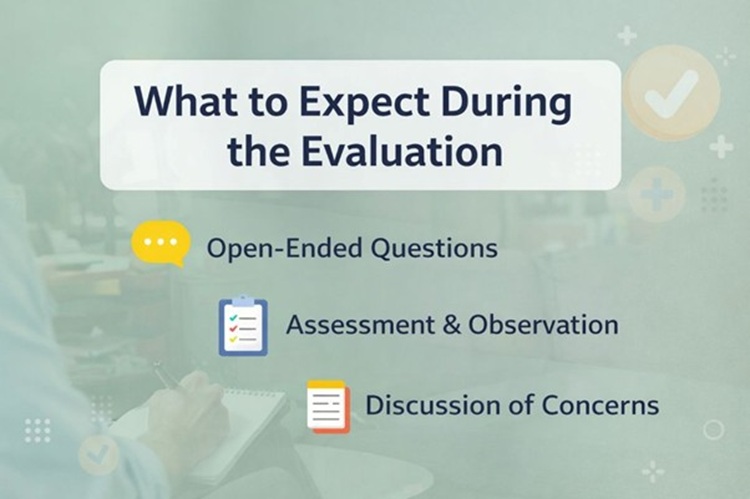
What to Expect During the Evaluation
During a Psychiatric Evaluation of Adults, the psychiatrist will examine her present problems, mental and family history of mental problems and physical problems. Some of the typical subjects include sleep, appetite, energy, stress, emotional patterns and past care experiences. It is not judgment; it is the understanding, thus, the openness and honesty would ensure that the optimal suggestions and support will be provided whether that includes medication therapy management, psychotherapy, or both.
The median time, on average, of assessments is 60 and 90 minutes. Short questionnaires or screening tools may be requested to be completed but it is the dialogue that takes the true heavy burden of time. The psychiatrist may discuss a possible diagnosis at the end of the session, discuss support, and provide clarification in better assurance you have a better grasp and a step towards the right direction towards the same much like what’s outlined in our detailed FAQs.
Getting a Psychiatric Evaluation for a Family Member
How to help a loved one make a reservation for a Psychiatric Assessment for Adults might prove to be a challenge when they are unsure or feel shy. The initial component must be a relaxed and supportive conversation, which concerns care and well-being, but not labels or diagnoses. This process can also be simplified by providing practical assistance such as help in scheduling or even transportation. Consider exploring our family therapy resources to better support your loved one through this process. Be aware, they must make them understand that psychiatric observations are a chance to aid and not to condemn.
How to Start a Psychiatric Evaluation
The initial move to initiate the Psychiatric Evaluation of Adults is by calling either a psychiatry clinic itself, requesting a referral by a primary care provider, or the insurance provider on its part via the directory. The capability to filter down to clinics that have flexible schedules, openness and transparency in their communication about the charges, and sufficient information about the same as far as future care is concerned will also be valuable to the majority of adults—especially when this is their first time to receive mental health services. You can verify your insurance coverage ahead of time to streamline this step.
Supporting a Loved One Through the Process
The final concept when helping a person through Psychiatric Evaluation, as an Adult, is being patient, encouraging, and respectful. When you are not on a date, do not ask questions. Instead, simply present oneself as a means of delivering rides, reminders, or listening, even in the unlikely event that they would like to talk to someone. Allowing them space and also informing them that they are not alone may be a major change—something reinforced through our group therapy and community support options.
What Happens After the Evaluation?
Based on the Adult Psychiatric Assessment, the psychiatrist would prescribe medication, drugs, or lifestyle alteration or additional tests. In other cases, the services may also commence on the spot and in other cases, a follow-up visit is scheduled. The assessment would also be an object of care and it would help in guiding the decisions, which are based on the needs, preferences as well as long-term goals, which are found in the individual—including specialized care for conditions like depression, PTSD, or substance use disorders.
Find Psychiatric Support in Orlando, FL
You will lose pounds of weight and get focused unless you have emotional or mental health problems holding you back, Psychiatric Evaluation of Adults. In Orlando Premier Psychiatry, caring specialists will listen to your experience and will assist you in a positive way to go on with your life—whether through in-person or convenient telehealth appointments.
Take the Next Step
Should any questions arise, or should you desire to have some answers or should you or any dear wish unconsciously to engage a psychiatrist, then resolve to have a confidential assessment. The presence of a professional counselor to converse with can help you clarify what exactly is happening to you in a better manner and take useful and productive follow-up measures to achieve a better mental state. Book an appointment today to begin your journey with one of our experienced providers
Disclaimer
This content is provided for informational and educational purposes only and is not intended to serve as medical advice, diagnosis, or treatment. Always seek the guidance of a qualified mental health professional or healthcare provider with any questions regarding mental health conditions or therapy options.
Frequently Asked Questions (FAQs)
What to expect from a psychiatric evaluation?
A psychiatric evaluation involves an in-depth conversation about symptoms, medical history, lifestyle, and emotional well-being. The psychiatrist listens carefully, may use screening tools, and explains findings clearly, helping create a personalized treatment plan without judgment or pressure.
How do you get a mental health assessment?
You can get a mental health assessment by contacting a psychiatric clinic directly, asking your primary care doctor for a referral, or checking your insurance provider’s directory. Many clinics allow self-scheduling and explain the process before your first appointment.
What is the difference between a psychiatric and psychological evaluation?
A psychiatric evaluation focuses on diagnosing mental health conditions and prescribing medication when appropriate. A psychological evaluation often involves standardized testing to assess cognitive, emotional, or behavioral functioning and is usually conducted by a psychologist.
What not to say during a mental health evaluation?
There’s nothing you’re forbidden from saying, but avoiding minimization or exaggeration helps accuracy. Be honest about symptoms, substance use, and stressors. The psychiatrist’s role is to help—not judge—so transparency leads to better care decisions.
What is the 3-month rule in mental health?
The 3-month rule often refers to symptoms lasting at least three months before confirming certain diagnoses. It helps clinicians distinguish temporary stress reactions from ongoing mental health conditions that may require structured treatment or long-term support.
How long does a full psych evaluation take?
A full psychiatric evaluation usually takes 60 to 90 minutes. Complex cases may require additional sessions. The length ensures enough time to understand symptoms, history, and goals, while allowing space for questions and clear next steps.
References
- American Psychiatric Association. (2022). Practice guidelines for the psychiatric evaluation of adults.
- National Institute of Mental Health. (2023). Mental health assessments and diagnosis.
- Mayo Clinic. (2024). Psychiatric evaluation: What to expect.
- Substance Abuse and Mental Health Services Administration (SAMHSA). (2023). Understanding mental health evaluations.