Key Takeaways
- Some people can effectively treat depression without taking any medications with the help of evidence-based lifestyle changes.
- Exercise, like most other non-medicinal approaches to improving mood, is one of the most investigated of such interventions.
- Sleep can be an important component of emotional health.
- Well-developed and organized social supports reduce or eliminate the sense of isolation and futility.
- Mindfulness and Stress Management can help enhance emotional resilience.
- The effect of nutrition on the brain: Food can promote brain health and a healthy personality.
- Professional counseling can provide you with tools and coping abilities.
- When depression is severe, it’s important to always seek an opinion from a qualified mental health professional.
How to treat depression without medication is that many people can improve depression symptoms by changing their lifestyle through therapy, social support, using stress management techniques, making behavioral changes, exercising, getting proper sleep and healthy habits throughout the day. Everyone’s recovery is unique, but research indicates that non-drug treatment can be a powerful tool in emotional well-being and recovery. Each year, millions of people suffer from depression.
May impact relationships, work productivity, physical well-being, motivation and quality of life. For some, medication management might be of great help, but for many people, they prefer to learn how to manage their depression without medication or to complement non-medication ways of coping with their depression with professional mental health care. We understand the importance of providing clients with all the options, allowing them to make the best choice for their mental health journey at Orlando Premier Psychiatry.
Medication-free depression management can involve a combination of regular exercise, sleeping habits, meditation, counseling, socialization, managing stress and a healthy diet. We also know from NHI-supported studies that lifestyle, exercise, and psychological treatments can help many people greatly relieve the symptoms of depression.
What that means is that while it may vary from person to person, certain healthy behaviors have a measurable, positive impact on moods, energy, resilience and emotional health.
Understanding Depression
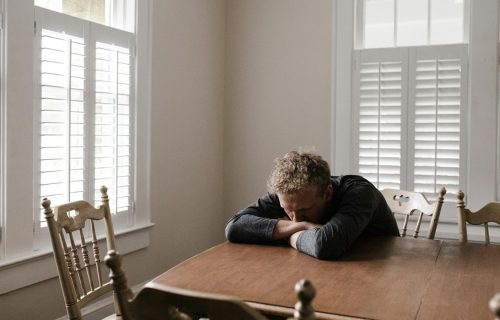
Depression isn’t sadness for a week or so. It is a mental disorder which may affect the individual’s thoughts, feelings, and behavior.
Common symptoms include:
- Persistent sadness
- Low level of interest in activities
- Fatigue
- Difficulty concentrating
- Changes in appetite
- Sleep disturbances
- Feelings of hopelessness
- Low motivation
Depression is not ‘one size fits all.’ Some symptoms, or many difficulties that severely impact daily functioning.
What Research Says About Non-Medication Approaches
Lifestyle changes have been shown to help to reduce depression symptoms, according to the research published by the National Center for Biotechnology Information (NCBI). Advances that have proven to correlate to mental health benefits include exercising, sleep enhancement, nutrition, lifestyle changes and psychological support.
Similarly, Healthline reports its research on depression-fighting foods that can help underscore the importance of habits such as exercise, socializing, practice, and routine.
For some, these methods can be an excellent way of helping to support one’s emotional health and well-being, but not a suitable care alternative for others.
1. Prioritize Regular Physical Activity
One of the very best depression treatments that doesn’t involve taking drugs is exercising.
The following are helped by providing physical activity:
- Increase endorphin production
- Improve sleep quality
- Reduce stress hormones
- Boost self-confidence
- Improve energy levels
Fortunately, there is no need to start an extreme workout program to reap the rewards.
Examples include:
- Doing 30 minutes of walking every day
- Swimming
- Yoga
- Cycling
- Strength training
- Dancing
- It is a steady stream, not intensity.
2. Improve Sleep Quality
There is a strong link between sleep and mental health.
Chronic sleep problems can make any depression symptoms worse, and depression can lead to trouble sleeping.
In treating drug-free depression, it’s good to:
- Have a regular bedtime routine and schedule
- Avoid electronic media time before sleep
- If you need to reduce your caffeine intake, make the cut in the afternoon and evening.
- Ensure a peaceful sleeping environment.
- Following a night of chillaxing, however,
How people benefit from positive habits that lead to positive feelings.
3. Build Strong Social Connections
Even the lack of contact with the outside world can lead to depression.
- We are social beings and in difficult times, we need emotional support from our social contacts.
- There are several steps you can take to increase the bond, such as:
- Contact a trusted friend
- Getting in touch with a support group
- Being part of community activities
- Volunteering
- The time that we have together as families
Just to make a small speech or social interaction can be helpful to emotional health.
4. Practice Mindfulness and Meditation
Mindfulness helps to train the mind to be in the here and now in an attitude of non-judgement.
Mindfulness exercise has demonstrated to be a possible means of reducing rumination, which is a feature of depression.
Practices for mindfulness are as easy as:
- Guided meditation
- Deep breathing exercises
- Body scans
- Gratitude journaling
- Mindful walking
Several people find these practices useful when coping with depression, medication-free, in fact.
5. Focus on Nutrition
Eating foods can improve your mood.
Though no one’s eating plan can cure depression, a nutritious eating plan can maintain a healthy brain and emotional balance.
Eating 21 good tips are the following:
- Eating regular meals
- Eating fruits and vegetables
- Including lean proteins
- Choosing whole grains
- Staying hydrated
Fatigue, low mood and low energy can be caused by nutritional deficiencies.
6. Create a Structured Daily Routine
Regardless of the way one considers depression, it will certainly impact motivation and productivity.
Having a routine can help give stability during difficult periods.
Make it simple:
- To sleep at the same time each night and have the same rising and bedtime.
- Make your bed.
- Schedule meals.
- Include physical activity.
- Plan enjoyable activities.
Potential to recover little successes can aid in recovering confidence and momentum.
7. Reduce Stress Where Possible
Stress is a factor in depression that is constant.
If stress can be handled well, this can have a positive impact on emotional and physical well-being.
When stress-management strategies involve the following:
- Healthy stress-management strategies are those that involve:
- Time management
- Relaxation exercises
- Setting boundaries
- Spending time outdoors
- Limiting unnecessary obligations
The less stress involved, the more opportunity for emotional recuperation.
8. Spend Time Outdoors
Cities, such as San Francisco, have found that spending time in nature can be beneficial in helping to improve mood and decrease stress.
Educational Activities that can be done outside include the following:
- Walking in a park
- Gardening
- Taking place outdoors in the light of day.
- Hiking local trails
Bright sunlight can also help promote better sleep and circadian rhythms.
9. Challenge Negative Thought Patterns
Depression is characterized by very negative thought patterns.
Common examples include:
- Catastrophizing
- Self-criticism
- All-or-nothing thinking
- Excessive guilt
Therapy will be able to aid in figuring out and dealing with these thought patterns, which could make it easier to control the depression by having a long haul without medication.
10. Seek Professional Mental Health Support
One of the best things you can do to control depression, when you can, will be to look for professional help if signs and symptoms continue.
- Understand contributing factors
- Develop coping skills
- Improve emotional resilience
- Build healthy routines
- Address underlying concerns
Support may not be medication at all! Cognitive behavioral therapy (CBT), behaviour strategies and mental health planning are used and can be very beneficial for many.
Benefits and Limitations of Non-Medication Approaches
Potential Benefits
- Fewer side effects of medication
- Improved physical health
- Better sleep quality
- Increased self-awareness
- Long-term habit development
Potential Limitations
- May need to give more time for improvement to result
- There may be a need for extra support in severe depression.
- Consistency is necessary
- Not all the strategies are going to be effective for all.
- Balanced approach (not necessarily best but generally good).

Ready to Take the Next Step?
Connect With Orlando Premier Psychiatry Today
Don’t suffer with depression alone or the use of depressant drugs. Orlando Premier Psychiatry’s dedicated professionals in the mental health field know the difficulties patients encounter and provide customized care and support so they can better understand their symptoms and develop effective strategies for a better, long-term emotional health plan.
Listen, our team’s here to assist with anything from depression and persistent sadness to anxiety and stress, as well as mood issues.
Call Orlando Premier Psychiatry today at (407) 565-3546 and talk about setting up a private meeting and the first step to improving mental health and emotional wellness.
Final Thoughts
The knowledge and skills learned in the treatment of depression without medication represent holism, such as ‘lifestyle,’ emotional support, structured programs, stress management, exercise, and the practice of mindfulness and professionalism. Though each person’s experience is different, a lot of people get significant relief using these evidence-based methods.
If depression is interfering with your ability to do the things you’re used to, if it’s affecting your relationships with others or if you just aren’t feeling happy, knowing that you need help may be one of the most important things you do. By treating symptoms, you can make a healthier, more balanced future sooner.
Disclaimer
This blog is intended for educational and informational purposes only and should not be considered medical advice, diagnosis, or individualized healthcare guidance. If you are experiencing severe depression, thoughts of self-harm, or a mental health crisis, seek immediate assistance from a qualified healthcare professional or emergency services.
Frequently Asked Questions
Can mild depression improve without medication?
Yes. Many individuals with mild depression experience improvement through exercise, counseling, social support, stress management, healthy sleep habits, and structured routines. Consistent lifestyle changes often help reduce symptoms and improve emotional well-being over time.
How long does it take to see results from non-medication approaches?
Results vary depending on the individual and the strategies used. Some people notice improvements within a few weeks, while others require several months of consistent effort before experiencing meaningful changes.
Is exercise really effective for depression?
Research consistently shows that regular physical activity can improve mood, reduce stress, increase energy, and support emotional resilience. Exercise is considered one of the most effective lifestyle-based approaches for managing depressive symptoms.
When should someone seek professional help for depression?
Professional support is recommended when symptoms persist for more than two weeks, interfere with daily functioning, affect relationships, or lead to feelings of hopelessness, self-harm thoughts, or worsening emotional distress.
Can therapy help if I don’t want medication?
Absolutely. Many people benefit from counseling and other evidence-based psychological approaches without using medication. Therapy can provide practical coping skills, emotional support, and personalized strategies for managing depression effectively.
References
- National Center for Biotechnology Information (NCBI).
- Healthline. How to Fight Depression Naturally.
- National Institute of Mental Health (NIMH). Depression Overview.
- Substance Abuse and Mental Health Services Administration (SAMHSA). Mental Health Resources.