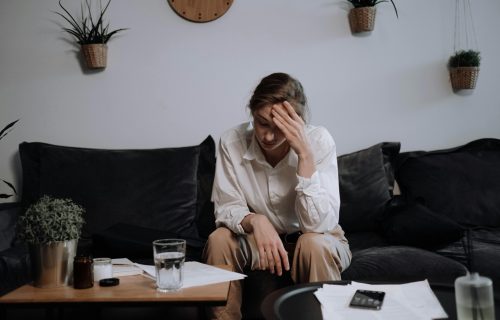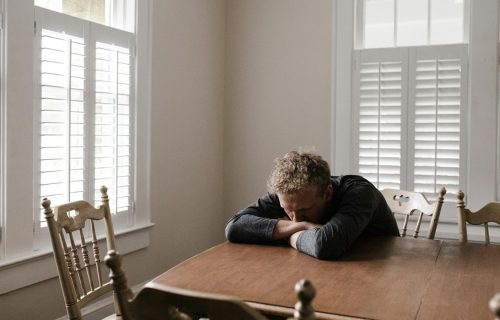
The most popular question regarding anxiety vs depression is: what are anxious, tired, worried or emotionally out of touch doing to you? Anxiety and depression can share some symptoms and are two separate disorders that have different effects on people. The first step to grasping how Anxiety and also Depression are different is to know about each and obtain responses as well as support you require.
Key Takeaways
- Anxiety and depression are similar in terms of characteristics and symptoms and have an impact on emotions, thoughts, energy and life.
- While anxiety is felt but not necessarily experienced as worry or fear of something, the ‘feeling’ of depression is more easily noticed, as it might be there as low levels of motivation, and lack of interest which can last for a very extended period of time.
- Others suffer both anxiety and depression.
- Assisted by a psychiatrist early on, it can be more effective to manage the symptoms.
- Orlando Premier Psychiatry offers Psychiatric evaluations, Medication management and Medication follow up for adults/adolescents.
What is Anxiety?
Anxiety is not nervousness, which so many people experience prior to a meeting or before beginning a large event. A state of uneasiness, worry or fear that never stops and is not always justified by the circumstance. These emotions can be challenging to control, and can impact their day to day functioning, work, relationships, and sleep.
Those who suffer anxiety might suffer from:
- Constant worrying
- Racing thoughts
- Restlessness
- Muscle tension
- Difficulty concentrating
- Trouble sleeping
- Increased heart rate
- Feeling on edge
Anxiety is a warning that something is dangerous, although it isn’t, it may be frightening or there may be a reason to worry. This implies that physical and emotional reactions are rather prevalent.
What is Depression?
Depression isn’t an “ugly day”. An ongoing journey of emotional and physical transformations that can affect an individual’s thought, feelings, and functioning.
Those suffering from depression are saying:
- Persistent sadness
- It’s not very interesting to do hobby activities
- Low energy
- Changes in appetite
- Difficulty sleeping or sleeping an excessive amount
- Trouble concentrating
- Feelings of hopelessness
- Low self-esteem
When depressed, even just everyday tasks can be too much of a burden. Many people also isolate themselves from friends, family and activities that they previously enjoyed.
For individuals with Depression, it’s helpful to get help from professionals that’s tailored to understanding the symptoms and provide a personalized treatment plan.
Anxiety vs. Depression: Understanding the Key Differences
Although they often occur together, Anxiety vs. Depression involves several important differences.
Anxiety | Depression |
Excessive worry about future events | Persistent sadness or emptiness |
Feeling restless or tense | Feeling slowed down or emotionally numb |
Racing thoughts | Difficulty thinking clearly |
Fear of what might happen | Loss of hope or motivation |
Physical tension and rapid heartbeat | Low energy and fatigue |
The primary difference between depression and anxiety is that depression is an emotion that is felt by a person and anxiety is an emotion that is felt by the collective body.
Concern, fear and worry about what may happen in the future is the most common association of anxiety. Depression is likely to be associated with sadness, the loss of feeling and hope.
Yet, both can give rise to a poor quality of life, and warrant the attention of a professional.
Symptoms of Anxiety vs. Depression.
Having some knowledge about signs that differentiate Anxiety vs. Depression can be beneficial.
Anxiety Symptoms
- Constant worry
- Irritability
- Panic attacks
- Sweating
- Trembling
- Fast heartbeat
- Difficulty relaxing
- Sleep problems
Depression Symptoms
- Persistent sadness
- Loss of motivation
- Feeling worthless
- Fatigue
- Appetite changes
- Excessive or insufficient sleep
- Difficulty making decisions
- Social withdrawal
Shared Symptoms
Numerous symptoms can be found that can be confused with each other, which are for example:
- Difficulty concentrating
- Sleep disturbances
- Irritability
- Fatigue
- Feeling overwhelmed
- The professional evaluation is important in this regard.
The causes and risk factors.
There is no one answer to Anxiety vs. Depression. Rather, a number of things can be factors.
Some of the common risk factors are:
- Family history
- High levels of stress
- Major life changes
- Trauma
- Chronic health conditions
- Personality traits
- Poor sleep habits
Other processes like the environment and biology can also contribute to the development of symptoms.
The National Institute of Mental Health (NIMH) state that, this is because people in any age group can experience anxiety disorders as well as depression.
Need Answers About Anxiety or Depression?
If you have symptoms of anxiety, depression and mood changes that are interfering in your life, Orlando Premier Psychiatry will work with you from a psychiatric viewpoint of knowledge and caring to get this straight and if needed, expert medication management.
Make an appointment today and begin to feel “you.”
Will you have Anxiety and depression Together?
Yes.
A lot of people suffer from both at the same time. It can take months of worry and anxiety for a person to realize that he or she is developing depression. Some people may experience a sadness and then start to develop chronic anxiety.
In some cases, anxiety and depression can happen together, making it more difficult to manage anxiety, as it can worsen depression.
For example:
When you’re stressed about something, you can feel “worn down”.
Emotional fatigue can result in a lack of energy (and motivation).
When we are not motivated, it can cause our stress and anxiety to rise.
This is the reason why it is important to know the difference between Anxiety vs. Depression.
How Mental Health Professionals Diagnose Anxiety and Depression
The first step taken by mental health practitioners is to discuss the symptoms and medical history, lifestyle and emotional experiences.
They can ask questions regarding:
- For how long has the person been experiencing symptoms?
- Daily functioning
- Sleep patterns
- Stress levels
- Family history
- Mental health issues: any existing issues
The objective is to grasp the full picture and not just the one symptom.
Anxiety and depression often go together, so it’s important to take a close look to determine how to get the best treatment for ongoing care.
Treatment Options for Anxiety and Depression
While all individuals are unique, some possible methods can help individuals cope with Anxiety vs. Depression.
These may include:
- Medication management
- Lifestyle changes
- Better sleep habits
- Regular exercise
- Stress management techniques
- Mindfulness practices
- Ongoing psychiatric follow-up
As far as mental health treatments are concerned, another question one may ask is what about ketamine infusion, ketamine infusions Orlando or ketamine infusion near me. It’s only a psychiatrist who can make the determination whether or not it is appropriate to discuss these options with an individual according to their situation.
Medication management and ongoing care based on the individual’s needs are a focus of Psychiatric services provided by Orlando Premier Psychiatry.

When Should You Seek Professional Help?
Consider reaching out if symptoms:
- Stay in bed for over 2 weeks
- Affect work/school performance
- Make relations more problematic
- Disrupt sleep regularly
- Cause constant worry
- Less interest in typical activities
- Have trouble self-caring
Early intervention can stop symptoms from getting worse with time.
At Orlando Premier Psychiatry, psychiatric care is provided in a compassionate and convenient way, in person or through telehealth. You can find psychiatry near me, psychiatry Orlando, or psychiatry Orlando FL here at Orlando Premier Psychiatry.
Ready to Take the Next Step?
There’s no need to wait for months to determine if you are in a state of anxiety, depression or both.
Orlando Premier Psychiatry provides a variety of Psychiatric services for both adults and teens including comprehensive evaluations, medication management and periodic checks.
Contact Orlando Premier Psychiatry today, or schedule an appointment online, to start your journey to emotional wellness.
Frequently Asked Questions
What are anxiety and depression?
Whereas, anxiety is a feeling of fear, worry or nervousness that lasts for a long time, depression is sadness or loss of interest that persists over time and has a low level of energy. While they have similar symptoms, they impact emotions, thinking, and everyday life in various ways.
Difference between anxiety and depression?
The main difference between Anxiety vs Depression is the focus of the emotions. Fear and worry about future events lead to anxiety, sadness, hopelessness and a diminished interest in activities that were previously meaningful lead to depression.
How are anxiety and depression similar?
Both illnesses can have an impact on sleep, attention, vitality, relationships and life quality. They are also frequently found together, so the knowledgeable assessment of symptoms is necessary to determine the best care plan.
Can anxiety turn into depression?
Yes. Eventually, for some, depression develops and over time, ongoing anxiety can lead to emotional exhaustion. This is not always the case, but if it is, early treatment can make the difference in how anxiety affects their day-to-day life.
How can I tell if I have anxiety or depression?
Those who are preoccupied with worry, fear or restlessness may be suffering from anxiety, whereas those who are sad, have low motivation and a loss of interest are more likely to be suffering from depression. Because symptoms