Elon musk use ketamine has been discussed in the public sphere as a result of his mentions of the substance in media interviews and statements. But his comments should be divorced from rumors and assumptions. His experience also brings up other questions that fall under the umbrella of ketamine, such as its impact on mood, risks and why some patients receive ketamine infusion as part of psychiatric treatment.
Ketamine is a drug with known medical applications, such as anesthesia and some ketamine products are approved for particular mental health issues. But it isn’t for all. The reaction varies, depending on individual health, amount used, method of use and the presence or absence of professional supervision.
This guide delves into the available information about what Musk said, the mechanisms of ketamine, its potential dangers, and what individuals should be aware of before seeking psychiatric assistance with the use of ketamine.
Key Takeaways
- Elon Musk has been open about his use of the drug and has expressed that it is useful in treating a period of depression.
- His personal statements are not evidence that ketamine should be used with all people who are low mood.
- Ketamine is a legitimate medical drug, but can have substantial physical and psychological side effects.
- While ketamine can be a part of an appropriate medical treatment, it may also lead to dependency, poor judgment and urinary tract issues when used outside of medical supervision.
- If you’re thinking about using ketamine for mental health issues, it’s important to get a personalized evaluation from a healthcare provider experienced in this treatment.
Does Elon Musk Use Ketamine?
Yes. Ketamine has been admitted to by Elon Musk. During the 2024 interview with Don Lemon, he spoke about his experience with the use of prescribed ketamine, and explained that he takes it when he feels a negative chemical state or depression.
Musk also spoke on the topic on previous media reports. His remarks stirred up more interest in using ketamine because he is a prominent businessman, and because when people hear about health-related drugs, they are inclined to ask how they work.
Bear in mind that his personal experience is not medical advice. The information provided in public statements does not provide a medical history of his, the specifics of his treatment, or if the same treatment would be suitable for another individual.
Users who are interested in whether or not Elon Musk uses ketamine are seeking a straightforward answer. There is public information which suggests a yes, from Musk’s own words. Questions regarding safety, effectiveness and appropriateness of ketamine in another person must be discussed separately.
Why Has Elon Musk Said He Uses Ketamine?
Musk has described ketamine as being used by him when he is depressed. He has also spoken about the need for him to perform well under pressure and handling the heavy workloads.
Depression may impact motivation, concentration, sleep, energy and enjoyment of daily activities. These symptoms may vary among individuals and may have complex underlying factors.
Musk’s remarks have sparked a public debate on whether ketamine could be a treatment for some who are suffering from depression. His experience is not to be interpreted as evidence that ketamine is useful for increasing productivity, boosting performance or even for sustained pain relief for all.
A public figure’s experience is only his/her own. To make reliable decisions about mental health, a more comprehensive view of the evidence, personal history, possible side effects, and other choices is needed.
What Is Ketamine, and How Does It Work?
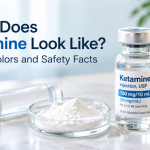
Ketamine is an anesthetic drug that was first developed to function as an anesthetic. It disrupts multiple signaling systems in the brain such as pathways involving a chemical messenger called glutamate.
Ketamine is not a typical antidepressant drug that targets serotonin or another signaling system, but rather targets the brain’s glutamate system. Scientists have investigated if these changes can be used to modify the typical pattern of depression.
Some individuals see a significant reduction in depressive symptoms fairly soon after their ketamine therapy treatment. But there are various answers and some benefits could be short-lived and more care might be required.
Ketamine is not a typical “first-in-first-out” treatment for everyone who is depressed. The potential role of it will be determined by the individual’s symptoms, health history, past therapy experience, and the formulation being considered.
Another key difference is that ketamine administered medically isn’t ketamine taken in an unknown context or without proper supervision. Safety can vary significantly depending on source, quantity, mode of administration, and other factors.
Is Ketamine Approved for Depression?
The answer is dependent on the medication, and the way it is used.
Ketamine has been approved by the Food and Drug Administration (FDA) for use as an anesthetic in the United States. Ketamine has not been approved by the FDA as a general anti-depressant drug. But a related drug, esketamine, a nasal spray that must be used under strict controls is approved for some indications related to depression.
Off-label use of ketamine is also performed by some professionals for specific mental health issues. Off-label prescribing occurs when a prescription for a drug is used for an indication that is not listed in the drug’s approved label. While it doesn’t imply the use is useless, it does mean that substantial consideration must be given to the evidence, possible hazards, and the individual situation.
The difference is important because there are online conversations that refer to ketamine and esketamine as synonyms. They are different but related medicines, having different regulatory status and administration requirements.
Use the official resources of the FDA for accurate information, and avoid relying on celebrity interviews or social media posts.
Can Ketamine Help With Depression?
For some people, including some who have not been able to obtain adequate relief from other treatments, ketamine may help to decrease the depressive aspects of their condition. Some studies have found that within hours or days, but the extent of improvement and timing vary.
Of course, this is not a solution for everyone, as Ketamine is not guaranteed to work. While some people feel little improvement, others feel a short-term improvement but then symptoms return.
When considering a qualified professional, take into account:
- The type and severity of depressive symptoms.
- Medications and other strategies used in the past.
- Prescriptions/Current drug use.
- Physical well being such as blood pressure, urinary issues.
- A history of certain psychiatric symptoms or other factors which could impact on safety.
- The person’s objectives, choices and capacity for attending suitable follow-up visits.
Ketamine is not a one-size-fits-all solution for happiness or a method to deal with all stressful times. If the potential benefits outweigh the risks, a careful assessment will determine this.
What Are the Risks of Ketamine Use?
Although it is administered in a medical setting, Ketamine can have side effects. It is uncertain what effect it may have because it is taken by so many people and in such a variety of ways.
Some common initial effects include:
- Dizziness or drowsiness.
- Nausea and vomiting.
- Increased blood pressure and heart rate.
- A change in the sense of perception or sensation of isolation from the environment.
- Confusion, lack of coordination.
These can have a negative impact on driving and make decision making and attention activities difficult.
If ketamine is taken again or in large amounts, there may be other problems. Long-term or repeated use has been linked to urinary tract and bladder issues, abdominal pain, memory loss and addiction. Ketamine may also cause dissociation: feelings of detachment from one’s physical body, environment or sense of self.
Taking ketamine with alcohol, opiates, sedatives or other drugs can lead to more serious effects. Individuals who have been prescribed ketamine should consult with a trained professional for potential interactions with the drug and adhere to the directions given.
It is never to be assumed that a drug is harmless just because a well-known person is taking it.
Is Ketamine Addictive?
Ketamine can be a problematic drug and can cause psychological dependence. A few people might become addicted to it, use it more often or keep using it even if it causes problems.
The risk can be higher if ketamine is taken regularly and in greater quantities than recommended, or if it is not supervised. Additionally, it can help people avoid emotional turmoil and form a challenging loop where the root issues are never resolved.
Ketamine dependence is not universal among those who do receive the drug in a healthcare environment. The difference between careful use for a particular purpose, and repeated use that is hard to control, is crucial.
Signs can include a feeling that you can’t stop, spending more and more time getting and using the drug, neglecting responsibilities or continuing to use it even when it hurts physically or emotionally.
If you find it hard to deal with using ketamine, consult a mental health or substance-use specialist for confidential advice.
Is Medical Ketamine Use Different From Recreational Use?
Yes. The setting, purpose, source for the medication, mode of administration, and level of oversight will have a significant impact.
A qualified medical professional reviews the health risks of using ketamine and decides whether it is appropriate and the ways in which it can be administered in an appropriate medical setting. Vital signs and changes in awareness, coordination, and other side effects may be monitored.
There are not these protections in place during recreational use. The source of the material may be unknown, the quantity may not be known, or other materials may be involved. These can make the risk of injury, psychological disturbance and other complications greater.
No medical supervision can completely eliminate the risk. It offers a framework for the evaluation of suitability, consideration of side effects and decisions about continuing.
What Should Someone Consider Before Exploring Ketamine?
Before you start using Ketamine, think about these things:
Prior to considering ketamine, it is important to consider what symptoms would benefit from attention, what other options exist, and what type of support is available.
A mental health assessment will help determine if a person is suffering from depression, stress-related symptoms, another issue, or all of these. It can also assist with any drug interactions and personal health issues that may be involved in the choice.
A good list of questions to ask a professional is:
- What evidence do I have for the use of ketamine on my specific symptoms?
- What are my other options?
- What will my response and safety be monitored like?
- But what happens when the benefits aren’t lasting?
- Are there other alternatives that will work for me and my preferences?
It’s also key to go over any records of substance abuse, high blood pressure, urinary symptoms, or any other health issues. These information can impact the decision to use ketamine.
It’s not about emulating a celebrity’s preferences. It is for you to make a decision and do so, based on your own needs and circumstances.
Exploring Ketamine Infusion and Psychiatric Services in Orlando
For those looking for psychiatric services, they might find a range of options including ketamine services, psychiatric evaluation and medication management. Tracing the distinctions can help you ask the right questions and get the right next step.
Ketamine infusion is the intravenous infusion of ketamine with the proper use of a medical professional. Before a person takes the medication, the dose, monitoring process and suitability should all be explained. Not everyone who is depressed is an appropriate candidate.
If you are looking for psychiatrist near me, find the ones who will clearly explain you the options, directly tell you the risks and ensure proper follow-up.
Orlando Premier Psychiatry provides psychiatric care to individuals who are considering their mental health needs. When choosing a psychiatrist, whether in Orlando, Florida, or elsewhere, you may want to ask about how they will assess you, how they will manage your medications, the services that are offered, and if a specific option is right for you.
Individuals who are looking into ketamine infusion Orlando, ketamine infusion Orlando FL or ketamine infusion near me should also ask about the type of medicine available, the qualifications of the professionals administering it, how it is monitored for safety and if there are any coverage or insurance limitations.
Looking for mental health information? If you are experiencing Mental Health issues, call (407) 565-3546 or visit Orlando Premier Psychiatry to find Mental Health services and schedule a meeting about your mental health care needs.
The selection of a psychiatric service should be based on information, not on assumptions based on another person’s experience.
Frequently Asked Questions
1. Does Elon Musk publicly admit to using ketamine?
Yes. In a March 2024 interview with Don Lemon, Musk acknowledged having a ketamine prescription and described using it during occasional periods of negative mood. His statements provide the basis for public reporting about his use.
2. Why does Elon Musk say he uses ketamine?
Musk has said ketamine helps him during periods of what he described as a negative mental state resembling depression. His explanation reflects his personal experience and does not establish that ketamine will have the same effects for another person.
3. Is ketamine approved for depression?
Ketamine is FDA-approved as an anesthetic, not as a general medication for depression. Esketamine nasal spray has separate FDA-approved uses for certain depression-related conditions and requires specific safety measures and professional monitoring.
4. Can ketamine cause dependence?
Yes. Ketamine can lead to problematic use and psychological dependence, particularly when used frequently or outside appropriate supervision. Repeated use can also cause bladder problems, memory difficulties, and other adverse effects that warrant professional attention.
5. Should I consider ketamine because a celebrity uses it?
No. A celebrity’s experience cannot determine whether ketamine is suitable for you. Discuss your symptoms, health history, current medications, potential risks, and other available options with a qualified mental health professional before making a decision.
References
- Reuters: Musk defends his ketamine use as beneficial for investors — reporting on Musk’s March 2024 interview and his statements about prescription ketamine.
- U.S. Food and Drug Administration: Depression Medicines — information about esketamine, its approved use, safety precautions, and monitoring requirements.
- U.S. Food and Drug Administration: Ketamine and esketamine regulatory information — explains the distinction between ketamine and FDA-approved esketamine products.