Ketamine may appear differently based on its concentration, its form and its purpose. When you hear the word ketamine, you may wonder, what does ketamine look like? It’s not uncommon to encounter a clear, colorless liquid in a medical environment, or a white powder in an environment other than a medical setting. But just the way it looks doesn’t necessarily tell you what the substance is. It’s important to be cognizant of the various types of ketamine to identify potential risks and when to seek professional advice.
At Orlando Premier Psychiatry, information about psychiatric medications begins with the certainty and clarity that comes with learning from the professionals. This guide will help you understand how ketamine can appear, the differences in the appearance of the various forms, and why it is important not to rely on a quick visual identification of an unknown substance.
Key Takeaways
- Ketamine can be in a clear, colorless liquid or a powder that’s white.
- Ketamine is available as a medical drug in controlled formulations with specific labeling and concentration.
- The powder that looks like Ketamine may contain other chemicals, including ones that can be harmful.
- These factors such as color, texture, smell and packaging are not reliable indicators of the identity or purity of a substance.
- Do not use an unknown substance because of its appearance.
- Seek emergency help if they are very confused, struggle to breathe, have a seizure or are unresponsive after possible exposure to ketamine.
What Does Ketamine Look Like in Its Different Forms?
Ketamine may look different in different formulations or preparations. It is normally either a clear liquid or a white/off-white powder.
1. Liquid Ketamine
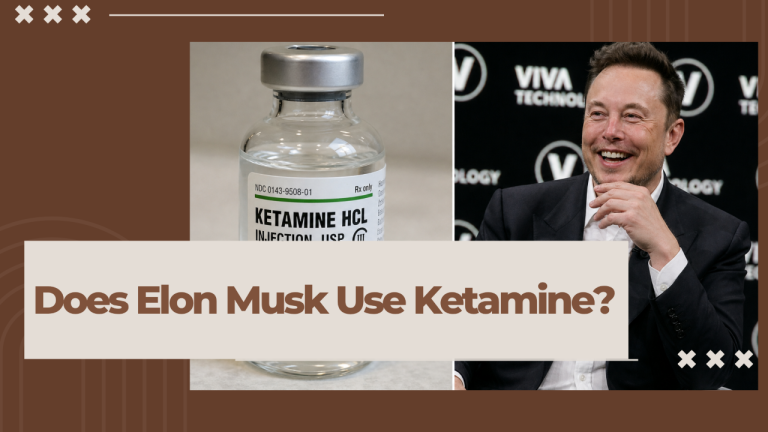
In a licensed medical practice, ketamine is usually provided as a clear, colorless solution. Can be packaged in a tightly closed vial or other suitable medical container.
The label contains useful information including the name of the medicine, concentration, manufacturer, and other details about the medicine. Autorized persons can check the product’s safety through the container and labeling.
Ketamine is not necessarily a clear liquid. There are many liquids that are identical and contamination or mishandling may not cause any visible change.
Important: NEVER use an unmarked vial or an unknown liquid, based on its appearance. Prescription ketamine should only be handled or administered by authorized professionals and in accordance to the requirements.
2. Ketamine Powder
Powdered ketamine is typically white or off-white. The appearance of illegal sales or unverified powder may change though as the contents of the powder, production conditions and potential contaminants are unknown.
Some other compounds can also crystallize as white powder. A drug that appears the same as described for ketamine may contain a different drug, a mixture of drugs or harmful additives.
It is not possible to determine identity or strength by the power colour or texture. A smell or taste of an unknown powder, or handling the powder, also may lead to unnecessary risks.
When you encounter powder that you don’t know, stay out of it and keep children and pets away. Observe local public health or hazardous-material safety measures for handling and disposal.
3. Ketamine in Other Formulations
The product may be provided in various forms according to the particular drug and its approval.
For instance, the esketamine nasal spray is a prescription drug that is similar to ketamine, but it is not the same substance. It is not a loose powder or a common liquid bottle, but is contained in a controlled nasal spray device.
There are other compounded or specially prepared formulations which may be packaged differently and look different. Their properties should be confirmed by the dispensing pharmacy and the official labelling of the product.
Don’t assume that products with similar or common names are interchangeable or because they both involve the word ketamine.
Can You Identify Ketamine by Color or Texture?
No – Colour and texture is not a valid indicator of ketamine.
The liquid may be a different medication or an unknown chemical. Similarly, a white powder may be a mixture, ketamine or another. The purity, concentration and safety can’t be determined on visual inspection.
There are several reasons why appearance is not a reliable indicator:
- Physical form of the different formulations: Authorized products may be available in various forms.
- Unregulated substances: Substances that are not regulated could contain unexpected compounds.
- Effect of storage: Storage may have impact on product quality without giving rise to any noticeable visual changes.
- Contamination: Some contaminants are not visible, odorless or tasty.
- Similar appearances: Many unrelated compounds have similar appearances.
Laboratory testing can assist in identification of a substance; informal testing methods have their drawbacks as well. The negative result from a limited testing does not necessarily indicate that a substance is safe.
If you don’t know what something is, don’t eat, sniff, inject or otherwise use it. Get proper expert advice.
What is the Difference Between Medical Ketamine and Unverified Ketamine?
The main difference is not simply how the substance looks. It is whether the product comes from an authorized source and has appropriate controls for identity, strength, quality, storage, and use.
Medical ketamine | Unverified ketamine |
Supplied through authorized channels | May come from an unknown source |
Has product labeling and concentration information | May have missing or misleading labels |
Subject to applicable quality and handling requirements | Contents and strength may be uncertain |
Used according to an authorized professional’s instructions | May expose a person to unexpected substances or doses |
Even a legitimate medical product can pose risks if used incorrectly. Prescription ketamine should only be used as directed by an authorized professional.
Unverified products carry additional uncertainty because their identity and contents may not be established. Packaging that looks professional does not prove that a product is genuine.
What Does Ketamine Look Like in a Medical Setting?
Ketamine is most commonly found in a medical context in the form of a labeled pharmaceutical drug and not in an unknown form.
Depending on the product, it may be stored in a sealed vial containing a clear solution. The label includes identification of the medication and important product information. Medication is checked by staff and stored and handled properly.
A ketamine infusion is a specific liquid drug that is administered intravenously under proper healthcare provider monitoring. It could be a clear, normal looking liquid, but this does not mean that the right medicine is being given.
When looking for a ketamine infusion in Orlando, the person conducting the research should ask questions regarding the source of the medication, who will be responsible for the procedure, the safety of the procedure, potential side effects, and what will follow the procedure.
What is Ketamine Used For in Authorized Medical Care?
Ketamine is an anesthetic drug that has been used. Depending on the formulation, applicable regulations and the person, there are also certain ketamine based approaches which are utilized in selected settings for other purposes.
Don’t confuse ketamine with esketamine. They are related, but not the same and have different regulatory approvals and prescribing requirements.
Esketamine nasal spray has certain proper indications and has to go through a set of safety procedures. Depending on the rules and professional judgment, other uses of the drug ketamine might be considered to be beyond the scope of the drug’s approved labeling.
A competent professional can help understand if a certain choice is suitable, the evidence for its use, the risks, and alternatives.
For reliable background information, consult the U.S. Food and Drug Administration (FDA) and the U.S. Drug Enforcement Administration (DEA).
What Are the Risks of Using Unknown Ketamine?
The hazards will vary based on the nature of the substance, volume of exposure, route of exposure, other substances encountered in the exposure, and the health of the exposed person. Ketamine can have a variety of effects on the body, including on awareness, perception, coordination, heart rate, and blood pressure.
Possible effects include:
- Confusion or disorientation
- Balance and/or vertigo.
- Nausea or vomiting
- Changes in perception
- An increase in fast movement or blood pressure
- A lack of awareness of the environment.
- Severe complications when used in combination with alcohol, opioids, sedatives, and other drugs.
Exposure may result in loss of consciousness, injury, difficulty breathing or other medical emergencies, depending on the level of risk. Chronic use can also lead to urinary tract and bladder issues, problems with memory and other effects.
If a person can’t be awakened, if they are struggling to breathe, if they are having a seizure, or if they are very unresponsive after possible exposure, get emergency help right away. Never leave the victim unattended or expect him to “sleep it off. If information is available, indicate what may have been taken to emergency personnel.
Never try to treat a severe reaction at home by looking at the product.

How Can You Verify a Ketamine Product Safely?
Don’t rely on appearance when using a legitimate supply chain if you have questions about a product that is supposed to contain ketamine.
- Check the packaging. Look for the medication name, concentration, manufacturer, and otCheck the packaging. Check for the name of the drug, concentration, manufacturer, and other necessary labeling.
- Call the dispensing pharmacy. A licensed pharmacist can assist to confirm information about a product acquired from a trusted source.
- Request the official of the profession. Check the names of the medicine, why it is being given, and the directions given.
- Avoid unknown products. Never use powder that is not packed, unmarked or products from an unconfirmed seller.
- Call for emergency help if needed. If exposure has already been made, and the symptoms are alarming, it is important to seek medical help rather than attempt to determine the identity of the substance.
Never confirm a drug by viewing a photo, searching online, trying it at home or seeing it on social media.
Looking for Psychiatric Services in Orlando?
If you’re looking into ketamine due to your psychiatric questions or issues, you can get some clarification from a qualified professional regarding the options available and the risks involved.
Orlando Premier Psychiatry can give details about psychiatric services to people who are considering their mental health. When looking for psychiatrists near me, psychiatrists in Orlando, FL, psychiatry Orlando, or psychiatry Orlando, ask about experience, drug management, safety protocols, and post-treatment services.
When considering a ketamine infusion, inquire if the proposed treatment is suitable for your condition, the evidence supporting it, how it is monitored for safety and what other options are available. If you’re looking for a ketamine infusion Orlando, ketamine infusion Orlando FL, or even ketamine infusion near me, these questions can help you to have a good discussion.
Call Orlando Premier Psychiatry at (407) 565-3546 to inquire about the various psychiatric services that are available and to discuss any questions with the staff.
Medical Disclaimer: This information is for educational purposes only and does not constitute medical advice.
Frequently Asked Questions
1. What does ketamine look like in its most common forms?
Ketamine is usually a clear, colorless liquid in approved medical products or white to offwhite powder elsewhere. The appearance is variable and both can only be determined with confidence by microscopic examination.
2. Does ketamine always look like white powder?
No. Ketamine can be administered as a transparent liquid to be used by qualified healthcare providers. Powder can also be seen in non-regulated environments and it is not possible to determine identity or purity from color, texture and packaging.
3. Can you tell if ketamine is real by looking at it?
No. Ketamine can look like other drugs, and unknown drugs may have contaminants. Packaging and appearance are not proof of authenticity. Talk with a licensed pharmacist or a professional who has a proper license to buy meds from a legitimate source.
4. What should I do if someone may have taken unknown ketamine?
If they are unable to breathe, having a seizure, very confused or if they cannot be awakened, contact emergency services immediately. Never leave them unattended or feed them other items. Provide responders with any information about exposure that you know of.
5. Is medical ketamine the same as esketamine nasal spray?
No, Ketamine and esketamine are related but different drugs, with different formulations and regulatory requirements. Esketamine nasal spray can only be used in certain situations and with certain safety precautions. A competent professional person can discuss the differences and risks involved.
References
- U.S. Food and Drug Administration (FDA) — Official information on medication safety, drug approvals, and regulatory alerts.
- U.S. Drug Enforcement Administration (DEA) — Information about controlled substances and drug safety.
- MedlinePlus: Ketamine — Consumer-oriented information about ketamine, its uses, precautions, and possible effects.
- National Institute on Drug Abuse (NIDA) — Research-based information on drug effects and substance-related risks.