Depression can impact all aspects of life, including work, relationships, and enjoying activities. Many people have questions regarding the length of time that an antidepressant effect from ketamine lasts. This understanding of how ketamine works, how quickly it takes effect, and how long its effects last can help you know whether or not it’s right for you. We are dedicated to offering individual psychiatric services to individuals who wish to enhance their mental well-being in an evidence-based manner with Orlando Premier Psychiatry.
Key Takeaways
- For some, the effects of Ketamine can start to occur in hours or days.
- The length of benefits is dependent on each individual.
- Many people find they feel better for days to weeks after a ketamine infusion.
- Follow-up sessions can be beneficial for sustaining benefits.
- Long-term outcomes can be enhanced by lifestyle changes and continuing psychiatric care.
- Variations in individual response are related to general health, severity of depression and individual circumstances.
What is Ketamine and How Does It Help Depression?
Ketamine was first developed as an anesthetic many years ago. It’s also used today in psychiatry, as scientists have found it can be beneficial for patients who have not benefited from traditional anti-depressive drugs.
Ketamine is not a “classic” antidepressant, which generally affects serotonin. It affects the chemical glutamate that plays a role in learning, memory and communication between brain cells. This action can contribute to generating new neural connections and to a better mood sooner than many traditional drugs.
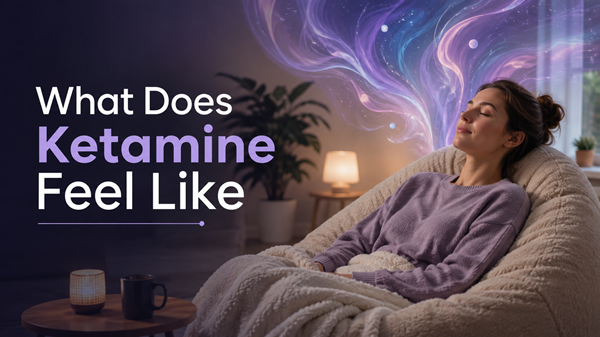
Many people ask what ketamine is like while being in a session. Others say that they feel disconnected from the outside world, very relaxed, or that time seems to move differently. These are temporary effects and usually fade shortly after the session concludes. Depending on individual needs and your psychiatrist’s recommendations, Ketamine Therapy can be administered in a variety of forms.
How Long Does Ketamine Work for Depression?
There are a number of individual factors that affect the duration of ketamine’s effect on depression.
The mood changes may be seen within a few hours of the first ketamine infusion for some and multiple infusions may be necessary to see meaningful changes for others. A number of studies have indicated that the advantages are frequently more quickly seen than classic antidepressants.
For many people:
- Primarily, the improvements can start within 24 hours.
- Often times benefits can last a few days.
- There are others who have positive results that last for several weeks.
- The need for maintenance sessions may require others to have to sustain relief.
No one’s path is the same since each brain is unique.
The duration of the effects of ketamine for depression depends on:
- Severity of depression and co-occurring anxiety
- Overall mental health and presence of other conditions like bipolar disorder
- Current prescriptions reviewed under detailed medication management
- Daily stress levels
- Sleep quality and underlying insomnia
- Lifestyle habits and sleep patterns
- Individual brain chemistry
It is important to have an individualized psychiatrist program due to these variations.
Why Does Ketamine Work So Quickly?
Typical antidepressants typically take weeks before there are any significant improvements.
Ketamine acts on other pathways within the brain. It is believed to encourage rapid transmission of information between brain cells, and to facilitate new connections. This may be a contributing factor for the earlier detection of changes from large population.
The mechanism is still being investigated, and the evidence suggests that ketamine has a rapid effect in treating depression.
Does Everyone Respond the Same Way?
No.
Some people get very different results after their first treatment.
Others go through a few sessions and then progress slowly.
There is a small percentage that may not be able to benefit greatly.
Your psychiatrist will monitor your development and give you suggestions on a case by case basis.
How Long Do the Benefits of Ketamine Last?
The question here isn’t how long will ketamine last for depression, but rather how long does it last following use.
As per research, benefits should be long lasting in most instances:
- Several days
- One to three weeks
- For some, it can take 4 weeks or longer.
This time period is very variable.
There are a number of factors that affect the duration of benefits:
Depression Severity
Other people suffering from serious depression may require more frequent follow-up sessions.
Overall Health
Maintain improvements for longer by keeping healthful sleep, nutrition, exercise and stress management habits.
Consistency
There are many people who do well on the programme recommended.
Ongoing Psychiatry Support
Routine visits to a provider of psychiatry services ensure that progress is kept track of and changes are made as and when necessary.
Can Benefits Improve Over Time?
Yes.
Many have better results with a series of ketamine infusion treatments than with a single infusion.
It is believed that repeated sessions can help solidify positive brain changes, improve emotional resilience.
There is, however, a lot of variation in how individuals will respond.
Is Ketamine a Permanent Solution?
No.
There is no permanent cure for depression with ketamine.
Rather, it is an opportunity to provide symptom control so that the individual can participate in better counseling, making healthy lifestyle changes, addressing medication needs, and other mental health practices that support the symptom control.
Sneaker sales, when done in the long run, can be more successful than either of the two methods.
How Are Ketamine Sessions Recommended?
Each person will receive the specific number of sessions that works best for their unique clinical needs and personal response. Typically, providers of psychiatric services begin with an induction set of sessions arranged over several weeks. From there, customized maintenance sessions may be recommended depending on the duration of symptom relief.
Some people would like to see their doctor every month.
Others may need sessions that are required more frequently, such as every couple of weeks.
A lower number are still improving within a few months until it needs another session.
There is no fixed timetable.
Instead, the timing is based on:
- Individual response
- Depression symptoms
- Overall wellness
- Personal goals
- Progress over time
By constant consultation, a psychiatrist can make the best suggestion regarding the most appropriate follow-up schedule.
What Happens After the Effects Wear Off?
There are cases where people have days or weeks of emotional instability following the immediate effects of the ketamine infusion. In others, these depressive symptoms can begin to show up gradually over time. This doesn’t mean that this strategy is ineffective, but merely that it is not as effective as it once was. It can, on the other hand, recommend modifications to the overall psychiatry plan or further sessions as planned.
Many people report feeling significantly better, more motivated, and more emotionally balanced following treatment. This positive change serves as a catalyst to facilitate healthy daily activities, active attendance in counseling, positive relationships, and improved daily functioning. During follow-up appointments, your medication management and care plan can evolve dynamically to meet your changing needs and address new symptoms early.
Can Ketamine Provide Long-Term Relief from Depression?
Yes, it can provide lasting relief for some people, especially in conjunction with a comprehensive mental health treatment plan.
The data indicate that ketamine has the potential to create and enhance brain connections. These changes could help enhance mood, lessen negative thinking, and boost emotional resilience. But it takes more than just ketamine to achieve long-term success.
A lot of people have a better improvement using ketamine with:
- Medication management
- Counseling or psychotherapy
- Healthy sleep habits
- Regular physical activity
- Stress management
- Mindfulness practices
- Strong social support
The prognosis for depression is variable because depression is a condition that affects a person in unique ways. Others have to experience maintenance sessions every so often, others have longer run-ups.
So, if you are thinking about how long does ketamine last for depression, take into account your body’s response, lifestyle and continued psychiatric support.
Who May Benefit Most from Ketamine for Depression?
Ketamine can be considered in adults with depression unresponsive to treatment with conventional antidepressants, or those who require a quicker effect on their symptoms, while being managed by a psychiatrist.
These who may benefit are:
- Patients who have failed to respond to antidepressant medications.
- Those who have symptoms of depression that are severe enough to interfere with their normal functioning.
- People with chronic major depression,
- Adults who have symptoms that make it hard to work, relate or live normally
- Those who don’t seem to respond well to other treatments and are seeking something different in psychiatric treatment.
A comprehensive psychiatric assessment will be done to decide the best use of ketamine in your case

Are There Any Side Effects After Ketamine?
Like all mental health drugs, there are side effects that can be experienced following the usage of ketamine. The majority of them are a bit mild and get better within a couple of hours following a session.
Side effects are:
- Dizziness
- Nausea
- Short term high blood pressure.
- Blurred vision
- Feeling sleepy
- Mild headache
- Lack of feeling of the surroundings
- Changes in perception
Others say that they feel nonchalant, contemplative or not. Some suffer short-term effects (such as floating), altered or distorted sense of time. These experiences tend to subside right after the experience.
Your psychiatrist will check with you your medical history, current medications and general health before recommending ketamine.
Tips to Help Maintain the Benefits of Ketamine
Ketamine can be used to quickly alleviate symptoms, but healthy lifestyle measures can also help to prolong the effects.
Here are a few tips:
Follow Your Psychiatry Plan
Please maintain appointments and be honest about mood and symptomology changes.
Prioritize Sleep
For optimal brain function, get between 7 and 9 hours of good sleep each night.
Stay Physically Active
Exercise has been shown to help with emotional health and can help to alleviate symptoms of depression.
Eat a Balanced Diet
Healthy foods promote healthy brain function and well-being.
Practice Stress Management
Mindfulness, meditation, deep breathing, and relaxation exercises all help to maintain a balance of emotions.
Build a Support Network
Keep in touch with trusted family, friends or support groups.
Continue Counseling
Good coping strategies can enhance emotional resilience over the long-term.
These habits, when used with individual psychiatric therapy, can be most profound of benefits.
Ready to Explore Personalized Psychiatry Services?
At Orlando Premier Psychiatry we offer compassionate evidence-based psychiatry services specific to each person’s needs and if you’re wondering how long does ketamine last for depression, we’re here to help you find out. Whether it’s medication management or ketamine infusion therapy, or mental wellness care on a broader scale, we’re here to help you on your journey towards sustainable emotional wellness.
Frequently Asked Questions
What does ketamine feel like during a session?
Many report feeling relaxed, detached from the surroundings, or changes in time/perception. The effects of these “mini” sensations typically subside shortly after the end of the session and most people are able to resume their normal routines later during the day.
How long does ketamine work for depression?
Some people may experience symptom relief for a few days to weeks after the infusion of ketamine. It can take as long as 12 weeks, depending on a person’s brain chemistry, the depth of their depression, their health and continuing psychiatric care.
How quickly does ketamine start working?
Unlike many traditional antidepressants, ketamine may begin improving depressive symptoms within hours or one day after the first session. Some individuals require several sessions before experiencing meaningful improvement.
How many ketamine sessions are usually needed?
Unlike most antidepressants, however, ketamine can help relieve symptoms of depression in hours or days after the introduction of the first dose. Others may need more than one session to get better.
Does ketamine permanently cure depression?
A lot of people start a series of sessions over a period of several weeks. Maintenance sessions might be considered afterwards depending on the duration of symptom relief and the general advancement of mental health in the individual.
What happens when ketamine wears off?
No. Ketamine is not a long-term treatment for depression. Rather, it could offer valuable symptom control in conjunction with drug management, counseling and healthy lifestyle choices to help with long-term recovery.
Can the effects of ketamine last for months?
Yes. For some, the benefits are lasting for several months, and are more pronounced when ketamine is used in conjunction with the continued psychiatry support, healthy habits, counseling, and medication management. The time is different for each person, however.
Disclaimer
This article is intended for educational purposes only and should not be considered medical advice, diagnosis, or a substitute for personalized psychiatric care. Always consult a qualified mental health professional before making decisions about medications or other mental health services.
References
- National Institute of Mental Health (NIMH). Depression. https://www.nimh.nih.gov/health/topics/depression
- American Psychiatric Association (APA). Depression and Mental Health Resources. https://www.psychiatry.org
- National Institutes of Health (NIH). Ketamine for Depression: Current Research. https://www.nih.gov
- U.S. National Library of Medicine (PubMed). https://pubmed.ncbi.nlm.nih.gov