What Are the Benefits of Ketamine-Assisted Therapy?
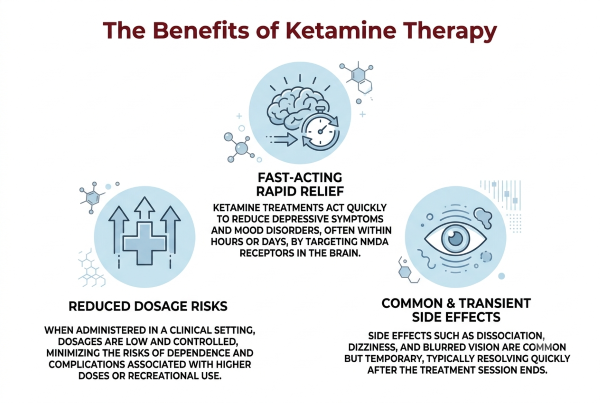
For some individuals, and in specific clinical contexts, advantages of ketamine-assisted therapy include a fast reduction in depressive symptoms, decreases in suicide ideation, and enhanced emotional functioning in patients with treatment-resistant depression. With the help of professionals and therapeutic intervention, ketamine could potentially help patients delve into complex emotions. This, however, depends on each individual and should be used under psychiatric supervision and medical monitoring.
What is Ketamine-Assisted Therapy?
Ketamine-assisted therapy (KAT) involves using the drug ketamine, which has anaesthetic properties, and providing psychological support and/or psychotherapy. Ketamine impacts glutamate signaling pathways in the brain, including the N-methyl-D-aspartate receptor (NMDA) and potentially neural connections related to mood and cognition.
Additionally, the time required to see vitamin D supplement effects can be lengthier with traditional antidepressants than it is with ketamine. Ketamine-assisted therapy can be considered as an option for people who have depression symptoms that have not sufficiently improved with treatment.
It’s critical to recognize that ketamine therapy and ketamine-assisted psychotherapy are not the same. Ketamine can also be used in a clinical setting, but not necessarily with therapy; KAT is using it with the guidance of a therapist.
7 Potential Benefits of Ketamine-Assisted Therapy
1. Rapid Relief From Depressive Symptoms
Another well-known advantage of using ketamine-assisted therapy is that it can alleviate depressive symptoms faster than traditional antidepressant drugs. A few patients get better within hours or days after treatment.
This might be important for individuals who have treatment-resistant depression and have not responded well enough to other treatments. But recovery is not always swift and the symptoms can return if adequate treatment and follow-up maintenance are not sustained.
A systematic review in BJPsych Open, comparing the effects of ketamine with other antidepressants, did find that it produced an antidepressant effect, albeit one that was often short-lived. A total of 83 reported studies were included in the review, but the authors noted the poor quality of many of the studies and the need for additional research.
2. Potential Support for Treatment-Resistant Depression
Treatment-resistant depression is depression on which adequate therapeutic interventions were futile. After psychiatric evaluation, ketamine might be indicated for certain patients.
Ketamine-assisted therapy might be particularly applicable when you don’t get enough symptom relief from conventional antidepressant medication treatments. To see if ketamine is right for them, a psychiatrist can listen to what other medications have or haven’t helped, the person’s prior therapy experiences, medical history and current symptoms.
Ketamine is not the first line of treatment for all people with depression symptoms. The decision to use it will depend on the clinical need of the person and the availability of appropriate monitoring.
3. Possible Reduction in Suicidal Thoughts
Some evidence indicates that ketamine can effectively induce a swift (acute) decrease in suicidal impulses among people suffering from acute depression.
In the systematic review by Walsh and colleagues, moderate to large decreases in suicidal ideation were found within the various meta-analyses found, and the effect lasts from hours to several days to a week.
While this is a hopeful discovery, ketamine should not be used in place of full suicide prevention treatment. All those with suicidal ideation should have prompt clinical evaluation. Emergency services should be called immediately if someone is in danger.
4. Improved Emotional Processing With Therapeutic Support
Ketamine-assisted psychotherapy can involve the patient experiencing challenging feelings, thought patterns, or experiences under the guidance of a healthcare specialist.
Some treatment approaches involve preparation sessions prior to ketamine administration and follow-up sessions post-psychological treatment to help with ketamine integration. These sessions can be useful to allow patients to share their experiences and relate them to specific therapeutic objectives.
But the particular bonus of ketamine and psychotherapy is still an area of active research. Not all ketamine treatment courses involve structured psychotherapy; there is no evidence of a consistent winning model of ketamine treatment.
5. Potential Improvement in Anxiety Symptoms
Several studies have investigated the use of ketamine in anxiety disorders such as GAD (generalized anxiety disorder) and SAD (social anxiety disorder).
In some studies, patients saw decreases in symptoms of anxiety after infusions of ketamine. But the data is less conclusive than findings from depressive symptoms, and outcomes of small-scale trials cannot be extrapolated to the entire population.
Ketamine therapy should not be viewed as a fail-safe anti-anxiety therapy. Whether or not the potential benefits outweigh the risks, or whether other evidence-based treatments may be better, would need to be determined by a psychiatrist.
6. Support for Patients Who Have Not Responded to Other Treatments
Even for those who have attempted a variety of treatments, they can feel discouraged if their depression remains. Finally, ketamine may be an alternative treatment for a select few people.
Further advantages of ketamine-assisted therapy may involve a chance to reevaluate treatment objectives, find other alternatives and techniques, and develop a much more custom strategy for the psychological health and wellness treatment plan.
Treatment can include comprehensive medication management, therapy, lifestyle treatment and routines, and monitoring of symptoms. Using ketamine in conjunction with other mental health services should be viewed as one option for treatment.
7. Potential Changes in Mood and Daily Functioning
As depression symptoms go away, some patients can feel free to get involved in their daily lives, improve relationships, or attend therapy.
These can make a difference for those who have suffered from some emotional distress for a longer period of time. However, alterations in the mood state aren’t always indicative of sustained healing.
It is essential to have continuity in psychiatric treatment, healthy coping mechanisms, and proper follow-up. The effects of ketamine are not permanent, and further treatment might be required.
Who May Benefit From Ketamine-Assisted Therapy?
Ketamine-assisted therapy might be an appropriate treatment option in adults with clinically appropriate treatment-resistant depression and/or some other psychiatric symptoms, as determined by a qualified psychiatrist.
- A psychiatric assessment could involve the following:
- Current depressive or other mental health symptoms.
- Past antidepressant medications and the outcome of treatment.
- Medical history (cardiovascular diseases).
- Prescription medications & potential drug interactions.
- Past drug use or drug abuse potential.
- Individual treatment targets and services.
Not all people are candidates for Ketamine. These concerns as those that could impact eligibility: high blood pressure, some heart conditions, past reaction to psychosis, and substance abuse disorder.
Is Ketamine-Assisted Therapy Safe?
When supervised by qualified medical professionals, ketamine can be given safely to appropriately selected patients. But it may have side effects and has to be monitored.
Side effects can include but are not limited to:
- Nausea or vomiting.
- A dizzy feeling or blurred vision.
- Temporary high blood pressure.
- Anxiety or restlessness.
- Feeling separated or detached.
Sedation.
Some adverse reactions happen throughout treatment and often vanish as soon as the drug has stopped. The long-term effects and safety, especially when used more than one time, are being studied.
Ketamine is a controlled substance that has the potential to be abused and addictive. Patients should not use ketamine outside of a proper medical facility where they can receive treatment for mental illness.
Ketamine-Assisted Therapy at Orlando Premier Psychiatry
Any individuals thinking about ketamine-assisted therapy ought to start with a professional psychiatric examination. You can talk to Orlando Premier Psychiatry in Orlando, FL, to discuss mental health issues and review options for treatment.
Treatment varies based on each person’s symptoms, medical history, treatment history, and recommendations from their physician. Not all patients are a good candidate for ketamine therapy, and an evaluation is important to consider before trying ketamine therapy.
As people delve into the details of ketamine treatment for depression and other chronic mental health symptoms, they should reach out to Orlando Premier Psychiatry at (407) 565-3546 and learn what services are available and what their next steps should be to get the best possible evaluation.
Frequently Asked Questions About the Benefits of Ketamine-Assisted Therapy
1. What Are the Main Benefits of Ketamine-Assisted Therapy?
The main potential benefits include rapid improvement in depressive symptoms, possible short-term reduction in suicidal thoughts in certain clinical settings, and potential support for patients with treatment-resistant depression. When paired with psychotherapy, it may also help some individuals explore emotional difficulties.
2. How Quickly Does Ketamine-Assisted Therapy Work?
Some patients experience changes in depressive symptoms within hours or a few days after ketamine administration. However, response time varies, and not everyone benefits. Ketamine’s effects may be temporary, so follow-up care and ongoing treatment planning are important.
3. Is Ketamine-Assisted Therapy FDA Approved?
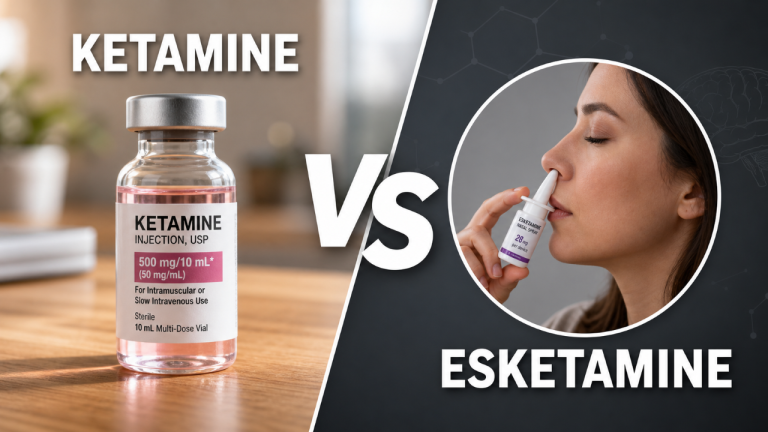
Ketamine itself is FDA-approved as an anesthetic, not specifically as a treatment for depression. Esketamine, a related medication administered as a nasal spray, is FDA-approved for certain depression indications. Ketamine use for psychiatric conditions is generally off-label.
4. Can Ketamine-Assisted Therapy Help With Treatment-Resistant Depression?
Ketamine may help some individuals with treatment-resistant depression who have not experienced adequate improvement with conventional treatments. A psychiatrist should review previous treatment attempts and medical history to determine whether ketamine is a suitable option.
5. Does Ketamine-Assisted Therapy Permanently Cure Depression?
Ketamine-assisted therapy is not considered a permanent cure for depression. Some patients experience meaningful improvement, but symptoms can return. Ongoing psychiatric treatment, psychotherapy, and follow-up may be necessary to support longer-term progress.
6. What Is the Difference Between Ketamine Therapy and Ketamine-Assisted Psychotherapy?
Ketamine therapy refers to the medical administration of ketamine for a clinical purpose. Ketamine-assisted psychotherapy combines ketamine with structured psychological support, which may include preparation and integration sessions. The two approaches are related but are not interchangeable.
7. What Are the Side Effects of Ketamine-Assisted Therapy?
Potential side effects include nausea, dizziness, temporary increases in blood pressure, dissociation, blurred vision, and anxiety. Most immediate effects are temporary, but medical monitoring is important. Long-term risks associated with repeated psychiatric use are still being studied.
8. Who Should Avoid Ketamine-Assisted Therapy?
Ketamine may not be appropriate for people with uncontrolled high blood pressure, certain cardiovascular conditions, a history of psychosis, or a significant risk of substance misuse. Pregnancy, breastfeeding, medication interactions, and other medical concerns also require evaluation by a healthcare professional.
9. Is Ketamine-Assisted Therapy Better Than Traditional Antidepressants?
Ketamine is not universally better than traditional antidepressants. It may act more rapidly for some patients, especially those with treatment-resistant depression, but its effects can be short-lived and it requires medical supervision. The most appropriate treatment depends on individual clinical needs.
10. How Can I Find Ketamine-Assisted Therapy in Orlando, Florida?
Start by consulting a qualified psychiatrist who can assess your symptoms, medical history, and previous treatments. Orlando Premier Psychiatry in Alafaya, Orlando, Florida, can be contacted at (407) 565-3546 to discuss available mental health services and evaluation options.
Medical Disclaimer
This content is intended for educational purposes only and does not replace professional medical advice, diagnosis, or treatment. Ketamine-assisted therapy may not be appropriate for everyone. Treatment decisions should be made with a qualified healthcare professional following an individual assessment. Never start, stop, or change medication without consulting your provider.
References
- Cleveland Clinic. Ketamine Therapy: What It Is, How It Works & Side Effects.
- Walsh, Z., Mollaahmetoglu, O. M., Rootman, J., et al. (2022). Ketamine for the treatment of mental health and substance use disorders: comprehensive systematic review. BJPsych Open, 8(1), e19. https://doi.org/10.1192/bjo.2021.1061
- U.S. Food and Drug Administration. FDA Drug Safety and Drug Approval Information.