A lot of people feel scared prior to presenting either to a crowd or to new people. But, Social Anxiety Disorder is more than just normal shyness. It can overwhelm normal conversation, work meetings, school activities or social gatherings. The early symptoms of Social Anxiety Disorder can be identified as a first step toward getting the proper help and boosting your self-confidence. Our Certified psychiatrists at Orlando Premier Psychiatry offer patients compassionate Psychiatric Care for Anxiety and customized Psychiatric services designed to educate and validate patients on how to cope and comprehend anxiety related issues.
Key Takeaways
- SAD is not necessarily the same as being shy or introverted.
- Symptoms impact upon emotions, physical health, thinking and behaviour.
- Social situations can get in the way of work, school, and relationships.
- If it is recognized early, then it will be easier to find appropriate support.
- With the help of a professional psychiatrist, individuals can find their confidence back and live their lives optimally.
What is Social Anxiety Disorder?
Social Anxiety Disorder is a psychiatric disorder characterized by a strong sense of worry, shame or disrespectful judgment in social situations. This fear is frequently greater than the reality and can impact everyday activities.
A person suffering from Social Anxiety Disorder may be anxious for days or even weeks prior to an event. Simple tasks such as ordering food, speaking in meetings, making phone calls, meeting new people etc. can be daunting.
While it’s normal to feel uneasy in new situations, social anxiety disorder can be ongoing and make it difficult to maintain relationships, get good grades and jobs, and feel happy.
Many people might assume that they are “too shy”, however, Social Anxiety Disorder is a psychiatric disorder that should not be ignored and should be understood.
Common Signs and Symptoms of Social Anxiety Disorder
Social Anxiety Disorder symptoms may differ from one person to another. Some people become anxious in certain situations and others do not have confidence when they are in most situations.
Common signs include:
- Not wanting to meet new people because of the fear of them
Individuals who are easily judged all the time.Those who have a feeling of being judged at every turn. - Issues with eye contact
- Afterthoughts are worrying about things after they’ve happened!
- Tendency to avoid contact with others.Difficulty with being in a group.
- Rather than speak, avoid speaking in public
- Stress prior to social events
- Ingestion anxiety – getting into other people’s food and water and eating them in public
- Having problems fitting in with class/ workplace discussion
There are many people who have Social Anxiety Disorder who know that their fear is probably much greater than necessary; however they cannot control the anxiety they experience.
Emotional Symptoms of Social Anxiety
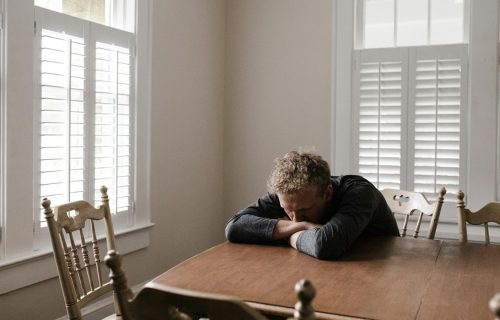
Social Anxiety Disorder (SAD) is emotionally draining. Anxiety can start hours or days before a social event and last hours or days afterwards.
Typical emotional reactions are:
- Persistent fear
- Extreme self-consciousness
- Have fear 101.Fears of making mistakes.
- Feeling embarrassed easily
- Low self-confidence
- Negative self-talk
- Fear of rejection
- Feeling isolated
- Tends to overreact to other’s actions or inactions
Many people replay the conversation over and over and wonder if they said something wrong or were awkward. Over time, these thoughts can turn into patterns that over time can lead to thoughts of anxiety.
Physical Symptoms of Social Anxiety
Anxiety is a state of mind and the body. During an extremely stressful social interaction, some of the physical symptoms of Social Anxiety Disorder may manifest.
These may include:
- Rapid heartbeat
- Sweating
- Trembling
- Dry mouth
- Upset stomach
- Muscle tension
- Dizziness
- Blushing
- Shortness of breath
- Feeling lightheaded
These physical responses are a normal stress reaction to the body, however in the instance of Social Anxiety Disorder they are experienced even in normal social interactions.
Looking for Support?
Orlando Premier Psychiatry offers caring Psychiatric care that looks at your individual needs as a part of the social anxiety that is affecting your work, your relationships and your everyday life. Our specialization is providing customized evaluations and Psychiatric Care for Anxiety with the goal of helping you get through this healing process.
Please call Orlando Premier Psychiatry today to make an appointment, and start your path towards a more peaceful mind.
Behavioral Signs of Social Anxiety Disorder
Avoidance is one of the most tell-tale signs of S.A.D.
People sometimes change their behaviour in response to anxiety – they might do so in order to reduce their anxiety but at times this comes at a price to opportunities.
Behavioral signs include:
- No assemblies or meetings.
- Being barred from completing work/school activities.Absence (from work/school activities).
- Speaking very quietly
- Leaving social occasions early
- Declining invitations
- They can’t speak for themselves and rely on others to do that for them.
- In the rear of classes or meetings
- Avoiding phone calls
- Avoiding asking questions
- Ensuring physical distancing as appropriate
Although these behaviors are a temporary way to cope with anxiety, over time they can worsen the feelings of SAD even more, since there are not as many chances to build confidence.
What Causes Social Anxiety Disorder?
There is no single cause of S.A.D. Instead, a mix of the factors can be involved.
These may include:
Genetics
There are some people who have a higher risk for developing Social Anxiety Disorder if they have a family history of anxiety disorders.
Brain Function
Negative experiences such as bullying, being embarrassed in public, facing critical comments or difficult childhood experiences can increase the likelihood of developing Social Anxiety
Life Experiences
Individuals who are less likely to be risk takers and sensitive are at a higher risk for social anxiety.
It’s important to consider these contributing factors to understanding why SANS is not simply a lack of confidence or will.
Personality
Social anxiety is more likely in individuals who are not as risk-taking and sensitive.
It’s important to realize these factors when it comes to Social Anxiety Disorder to understand why it’s not simply a matter of confidence or willpower.
Risk Factors for Developing Social Anxiety
There are a number of factors that can make someone prone to having Social Anxiety Disorder.
These include:
- Personal and/or familial history of anxiety disorders
- Childhood bullying
- Frequent criticism
- Social isolation
- Low self-esteem
- Traumatic social experiences
- Major life transitions Chronic stress
While having one or more risk factors does not mean that you will develop Social Anxiety Disorder, it can mean that you will be more aware of them and more likely to notice them early.

When Should You Seek Professional Help?
When anxiety is persistent and regularly affects your ability to live, enjoy a relationship, work or engage in daily activities, it’s time to get professional help.
Consider contacting if:
- Anxiety lasts for several months or longer.
- You routinely miss out on key social opportunities.
- Fear keeps people away from employment/school.
- Relationships become difficult as a result of anxiety.
- Normal interaction through physical symptoms.
- You’re constantly worried and stressed.
Our qualified psychiatrists at Orlando Premier Psychiatry provide empathetic Psychiatric Care for Anxiety and customised Psychiatric services and services to fulfil your individual goals. We are here to help you understand the support available to you and your symptoms in your search for “psychiatry near me”, “psychiatry in Orlando”, or “psychiatry Orlando”.
If appropriate for the person, advanced treatments, such as Ketamine Infusion Orlando, Ketamine Infusion Orlando FL, and answering some questions from people who are searching for Ketamine Infusion Near Me, may be discussed for people with depression and anxiety.
Early diagnosis can be helpful in the treatment of Social Anxiety Disorder. Social anxiety isn’t something you have to deal with on your own.
Final Thoughts
Living with Social Anxiety Disorder can feel isolating, but recognizing the signs is an important first step. Understanding your symptoms allows you to make informed decisions about your mental health and seek support before anxiety begins limiting your life.
If you or someone you care about is experiencing signs of Social Anxiety Disorder, Orlando Premier Psychiatry provides compassionate Psychiatric Care for Anxiety and personalized Psychiatric services in a welcoming environment. Schedule an appointment today and take the first step toward feeling more confident in everyday social situations.
Frequently Asked Questions
1. What is the difference between shyness and Social Anxiety Disorder?
Shyness is a personality trait that usually improves with familiarity. Social Anxiety Disorder involves persistent fear of judgment that interferes with daily activities, relationships, education, or work and often leads to avoiding social situations.
2. Can Social Anxiety Disorder develop later in life?
Yes. Although it often begins during childhood or adolescence, Social Anxiety Disorder can also develop in adulthood after stressful life events, major changes, or repeated negative social experiences.
3. How do I know if I should see a psychiatrist for social anxiety?
If fear of social situations regularly affects your work, relationships, education, or everyday activities for several months, seeking professional psychiatric guidance can help you better understand your symptoms and available support options.
4. Does Social Anxiety Disorder only happen during public speaking?
No. While public speaking is a common trigger, Social Anxiety Disorder may also affect conversations, eating in public, attending meetings, making phone calls, shopping, or meeting new people.
5. Can Social Anxiety Disorder improve with professional support?
Yes. Many individuals experience significant improvement after receiving personalized psychiatric guidance, learning practical coping strategies, and developing confidence through consistent support tailored to their needs.