Choosing the right Psychiatrists for ADHD Diagnosis can be a crucial initial step in comprehending difficulties with attention, focus, organization and behavior. Children, teens and adults with ADHD have different symptoms. Others find it hard to concentrate, others feel restless, impatient and make bad decisions, or they fall short of managing their daily tasks. These concerns can be assessed by a qualified psychiatrist, who will also conduct a thorough personal history review and assess whether these symptoms could be attributed to ADHD.
When it comes to the Orlando approach to diagnosing ADHD, it can help alleviate a bit of the stress for people and families. At Orlando Premier Psychiatry, we provide psychiatric services that can assist you in learning about your mental health issues and the options that are available for ongoing care.
Key Takeaways
- ADHD is a disorder of attention, activity and impulse control.
- Children, teens and adults may experience symptoms differently.
- It takes more than an online quiz to diagnose ADHD.
- Affecting more than one area of life and must start in childhood.
- Developmental history, current behaviors and other possibilities are considered by psychiatrists.
- An adult may be diagnosed with ADHD if their symptoms were not noted in childhood.
- Selecting a seasoned psychiatrist can facilitate the evaluation process be more transparent.
- Residents in Orlando can call Orlando Premier Psychiatry to find out more about psychiatric services.
What is ADHD?
Attention Deficit Hyperactivity Disorder (ADHD) is a disorder involving difficulties with attention, activity and impulsiveness.
People with ADHD may find it difficult to:
- Concentrate on activities or discussion.
- Complete tasks without becoming distracted.
- Plan agenda and activities of the day.
- Be able to recall appointments, instructions or deadlines.
- Sit or lie down when required.
- Regulate impulsive responses/choices.
- Use time efficiently and prioritize work.
ADHD is not the same for all people. Some people have more attention problems, others have more hyperactivity and impulsivity.
The National Institute of Mental Health (NIMH) outlines three presentations in which ADHD is typically diagnosed:
- Predominantly Inattentive Presentation: Attention and concentration difficulties, disorganisation, failure to follow instructions, failure to finish tasks.
- Predominantly Hyperactive-Impulsive Presentation: Individuals can be restless, move a lot, can’t wait and constantly interrupt.
- Combined Presentation: People have both inattention and hyperactivity-impulsivity.
These differences are important to psychiatrists in assessing each individual’s experiences and not assuming that everyone with ADHD is the same.
When Should You See Psychiatrists for ADHD Diagnosis?
Not all concentration problems are a sign of ADHD. Attention and memory may be impacted by temporary causes such as stress, sleep deprivation, anxiety and more.
If these challenges persist over time and impact daily functioning, however, it might be beneficial to undergo an evaluation for ADHD.
If you suffer from any of these symptoms on a regular basis, you should talk to a psychiatrist:
- Trouble completing work or school tasks.
- Very forgetful, even for important activities.
- Problems organizing daily activities.
- Impaired ability to hear and/or comprehend conversations.
- Impulsive decisions that impact relationships.
- Inability to sit still and relax.
- Poor time management and planning skills.
- Frequent problems with sustaining attention in everyday tasks.
ADHD can be more apparent when work, family and personal responsibilities grow for adults. Others don’t start thinking about a diagnosis of ADHD until they see similar behaviors in their own children.
Psychiatrists for ADHD diagnosis can evaluate if these experiences if these experiences correlate to ADHD or possibly are linked to a different issue.
How Do Psychiatrists Diagnose ADHD?
Diagnosing ADHD is not just a matter of filling out a form and checking off a few common symptoms. A comprehensive assessment takes into account the person’s history, patterns of behavior, length of time that symptoms have been present, and how the symptoms affect daily functioning.
Here are the typical procedures to follow.
1. Initial Consultation and Discussion
Typically, there is a discussion about the concerns that prompted a person to seek an evaluation.
The psychiatrist may ask questions about:
- Present concentration and attention problems.
- Stressful situations at work, school or home.
- Diet, sleeping patterns and daily routine.
- Emotional experiences and behaviour patterns.
- Health history that is personal and family.
- History of similar symptoms.
This discussion allows the psychiatrist to learn about the patient’s concerns and determine what additional areas to explore.
2. Reviewing Childhood and Developmental History
Even if a person is diagnosed with ADHD as an adult, symptoms typically are present by childhood.
Psychiatrists who diagnose ADHD might want to know about your child’s early school experiences, how your child behaved as a child, his or her performance in school, and problems with organizing or paying attention.
It can be helpful for adults to bring old-school reports and/or observations from the family or other information about their childhood experiences.
The CDC states that the symptoms of ADHD need to occur prior to age 12.
3. Evaluating Symptoms and Their Impact
The psychiatrist will take into account the frequency of the symptoms and whether the symptoms impact upon more than one aspect of life.
For instance, someone might be having difficulties paying attention in the workplace and at home. A student may have difficulty with homework, classroom rules and behaviors, or relationships with other people.
The assessment takes into account the presence of symptoms for at least 6 months and symptoms interfere with daily functioning.
4. Using ADHD Assessment Tools
Standardized ADHD questionnaires, rating scales and structured interviews may be completed by psychiatrists to obtain further information.
These tools are used to help structure observations of attention, hyperactivity/impulsivity and daily functioning.
Parents or teachers, partners and family members can also offer helpful input where appropriate and with their permission.
Questionnaires can’t confirm ADHD, however. These are not the only indicators of their evaluation; they are part of a larger assessment.
5. Considering Other Possible Explanations
There are a variety of potential causes of attention problems. Sometimes anxiety, depression, difficulties with sleep, stress, and some learning differences can cause symptoms similar to ADHD.
A psychiatrist takes these into account when making a diagnosis.
This is essential as it enables the right next steps to be taken based on someone’s experience.
Why Choose Psychiatrists for ADHD Diagnosis Instead of Self-Diagnosis?
There are online ADHD quizzes and symptom checklists that may point to potential concerns. But they are not able to make a proper diagnosis.
Psychiatrists are trained to understand mental health issues, assess symptoms, and recognise any underlying issues.
There are a number of benefits to working with qualified Psychiatrists for ADHD Diagnosis:
A comprehensive evaluation: a psychiatrist examines personal experiences, developmental history, and current challenges rather than on a single symptom.
A wider concept: ADHD symptoms may be shared with those of anxiety and depression, sleep problems, and other issues. A complete “handlebar” assessment can be useful in examining these differences.
One-on-one attention: Each person’s experiences, responsibilities and challenges are unique. An evaluation takes into account the individual’s situation.
Better next steps: After the evaluation, the psychiatrist can provide information about the results and suggest the next steps in providing support.
While self-awareness is very beneficial, professional evaluation is more useful in moving questions toward clarity.
ADHD Diagnosis in Adults: Why It Can Be Overlooked
There are many adults who experience attention challenges and have been experiencing them for years without realizing what’s causing them to struggle with some daily tasks.
Adults find themselves in patterns that enable them to cope with their symptoms. Others use prompts, schedules or family members to help them.
When demands rise, as in starting a new, more demanding job, parenting a family, or going to college, symptoms of ADHD can become more apparent.
Some of the following symptoms may indicate that you have ADHD as an adult:
- Frequently missing deadlines.
- Facing difficulties with long tasks.
- Forgetting important appointments.
- Difficulty prioritizing tasks.
- Losing everyday belongings.
- Avoids quiet activities and gets fidgety.
- Interrupting conversations unintentionally.
- Initiating several tasks, but not completing them.
Women may also delay in recognizing that they are sick, as they may have symptoms that are not as obvious or that may manifest differently.
When evaluating adults, psychiatrists involved in ADHD Diagnosis take into account how the children behaved in the past as well as what they are experiencing today. An evaluation at a later stage of life can offer helpful answers and insight into persistent difficulties.
ADHD Diagnosis in Children and Teenagers
The signs of ADHD in children and adolescents can manifest in classroom behavior, school problems, and/or problems with friends and family.
Parents might observe that their young child:
- Lacks a good ability to follow directions.
- Frequently loses school supplies.
- Has difficulty completing homework assignments.
- Fails to focus on tasks during activities.
- Takes too much time talking, talks over others.
- Has trouble taking turns.
- Has trouble staying organized.
But it is inevitable that during childhood, children will manifest both active and distractive behaviour. All of these factors must be taken into account when thinking about how children act: development, age and environment.
The American Academy of Pediatrics suggests the information be obtained from parents, teachers and other adults who regularly interact with the child. Assessment of symptoms and their effects should be conducted in various contexts.
If parents have concerns, they should consider making a suitable assessment rather than basing their decision on school performance or behavior.
How to Find the Right Psychiatrists for ADHD Diagnosis in Orlando, FL
When it comes to choosing a psychiatrist, it’s a significant task. Discussions about personal concerns should be easy, questions should be asked, and evaluation should be understood, by the right professional.
Take these into account when making your choices.
Relevant Experience
Seek out a psychiatrist who has experience in assessing ADHD in the age range you’re worried about. There are developmental issues to take into account for adults with ADHD and kids with ADHD.
Comprehensive Evaluations
Look for a professional that takes into account previous history, symptom patterns, how the person is functioning in their life, and other possible factors besides filling out a series of questionnaires.
Clear Communication
The process of evaluating should be explained in simple words. There should be no pressure to feel judged when you raise issues and queries.
Convenient Appointment Options
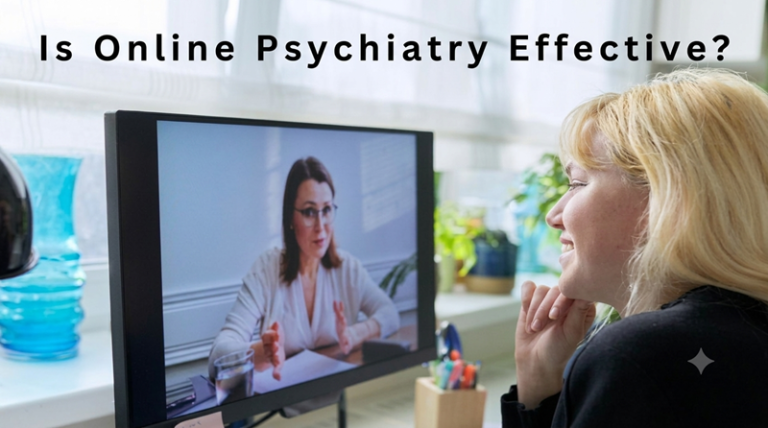
Think about options for face-to-face visits or telehealth visits. There is greater flexibility in scheduling which can facilitate regular contact.
Ongoing Psychiatric Support
An ADHD evaluation can be a first step towards a broader discussion of mental health. Think about the practice’s provision for appropriate follow-up and psychiatric medication management as needed.
When looking for psychiatry near me, consider more than just the location to determine who is the best fit for you.

What Happens After an ADHD Diagnosis?
A diagnosis of ADHD can help to account for problems that may have been ongoing for years. It can also serve as a starting point for talking about next steps.
Following evaluation, the psychiatrist provides feedback and highlights suitable alternatives to the individual based on the evaluation.
These may include:
- Educating yourself and others about ADHD and its signs and symptoms.
- Having practical discussion about how to organize.
- Exploring routines that aid in concentration.
- When appropriate discussing psychiatric medication management.
- Talking about extra vocational support.
- Making follow-up appointments to check in on progress.
No one-size-fits-all solution exists. All of these personal factors, age, workload and personal preferences are important.
The aim is to enable individuals to become more familiar with the nature of their experiences, and to make choices regarding the nature of their mental health.
ADHD Psychiatric Services at Orlando Premier Psychiatry
First, you need to know the person; then you can understand ADHD. Orlando Premier Psychiatry’s priority is to offer psychiatric care which meets the concerns of every person and lends to informed choices regarding mental health.
People who are interested in finding out more about psychiatry in Orlando will be able to find out all the psychiatric services that are available to them, such as psychiatric evaluations, psychiatric medication management and psychiatric follow-up.
If you are an adult with chronic attention deficit problems or a parent that is worried about your child’s behavior, it is important to talk to a psychiatrist who can help explain what comes next.
Orlando Premier Psychiatry provides in-person and telehealth services for those looking for psychiatry Orlando and psychiatry Orlando FL.
Ready to Discuss Your ADHD Concerns?
You need never again wonder why concentration, organisation or daily affairs are difficult. Discussing your worries with a qualified psychiatric healthcare provider can aid you better comprehend your worries.
Call Orlando Premier Psychiatry to find out more about the psychiatric services available and to schedule psychiatric appointments.
Frequently Asked Questions
1. Can a psychiatrist diagnose ADHD in adults?
Yes. Qualified psychiatrists can diagnose ADHD in adults using current symptoms, history of childhood and adult experiences, and daily functioning. Other potential explanations for attentional/concentration problems are also examined.
2. How long does an ADHD diagnosis take?
This will vary based on individual history, symptoms, and information available. Other evaluations may take several appointments, extra questionnaires, or information from family members to come to a conclusion.
3. Can ADHD develop during adulthood?
The symptoms of ADHD appear in childhood and can be undetected in adulthood. Earlier, attending to the tasks may not have been a problem, but as responsibilities or work load grow, or family responsibilities increase, tasks that were once overlooked may become more noticeable because of difficulties with attention.
4. Do I need an ADHD test to receive a diagnosis?
There is no single test to diagnose ADHD. Personal history, symptom assessment, interviews and other relevant information are used by psychiatrists to establish whether a person fulfil the diagnostic criteria.
5. Where can I find psychiatrists for ADHD diagnosis in Orlando, FL?
Orlando Premier Psychiatry offers psychiatric care in Orlando, FL via both in-person and telehealth. Call (407) 565-3546 to schedule an appointment and evaluation services at the practice.
Medical Disclaimer
This information is for educational purposes only and does not constitute medical advice. The content is not a substitute for an individual evaluation by a qualified healthcare professional. ADHD symptoms and experiences vary from person to person. Consult an appropriately qualified professional for an assessment and guidance based on individual needs.
References
The following authoritative sources were consulted to support the educational information in this article:
- Centers for Disease Control and Prevention (CDC) – Diagnosing ADHD
- National Institute of Mental Health (NIMH) – Attention-Deficit/Hyperactivity Disorder: What You Need to Know
- Centers for Disease Control and Prevention (CDC) – ADHD in Adults
- American Academy of Pediatrics – Clinical Practice Guideline for the Diagnosis, Evaluation, and Treatment of ADHD in Children and Adolescents