In the question of Mental Illness Vs Psychiatric Disorder: Is There Any Difference? it would appear that the terms are used interchangeably for a wide range of mental health disorders. Both are related to shifts in a person’s way of thinking, ways of feeling, behaviour and/or functioning in everyday life. It is important to be familiar with the terms to know when emotional and behavioral changes may require professional assistance.
One’s mental health is a vital aspect of individual health. Stress, sadness, worry or frustration may happen to everyone at some time or other. If these feelings persist for a prolonged period, are very strong or affect the person’s daily life, though, it may be beneficial to consult a trained mental health professional.
At Orlando Premier Psychiatry, individuals can learn about their mental health issues and the psychiatric care that’s available for them. It’s important to recognize the difference between typical emotional difficulties and a mental health disorder as a first step for getting the appropriate help.
Key Takeaways
- Mental illness is a common term that is used to describe a condition that impacts the thoughts, feelings, behaviors, or functioning of the individual.
- A more formal term for psychiatric disorder is “psychological disorder.
- There is a significant overlap between the two, and they are often used as synonyms.
- Sadness, anxiety or stress do not necessarily constitute a mental health condition.
- All of the following factors are important: length of time, severity, frequency and impact on daily functioning.
- Anyone can suffer from a mental health condition and taking action is a sensible way to improve mental health.
- If you think you have a mental health issue, you can contact a qualified mental health professional who will be able to diagnose your symptoms and tell you what to do next.
What is Mental Illness?
Mental illness is a general term used to refer to a range of disorders that impact on the way a person thinks, feels, behaves or reacts to a normal situation. These can cause changes in mood, relationships, sleep patterns, concentration, decision making and the ability to carry out normal tasks.
Anyone who suffers from mental illness is not weak, dangerous, or incapable of living a normal life. People with mental health problems are able to work, study, have families and friendships, and achieve goals.
Some of the mental illnesses include:
- Depression: A feeling of sadness or hopelessness that lasts over a long period of time.
- Anxiety disorders: Excessive worry, fear or physical tension that impedes functioning in everyday life.
- Bipolar disorder: Periods of depression and increased or irritated mood and energy levels.
- Post-traumatic stress disorder (PTSD): Persistent anxiety following an upsetting or frightening event.
- Obsessive-compulsive disorder (OCD): Unwanted, recurring thoughts and repetitive actions that can be hard to control.
- Schizophrenia: A disorders that may impact one’s perception, thinking, emotional expression, and understanding of reality.
There are various reasons for the development of mental illness. It could be caused by genetics, life circumstances, stress, brain activities, physical and other environmental conditions. Not all causes are obvious.
What is significant is that mental illness is not your fault. When symptoms are recognized and validated information can be found, individuals can make decisions regarding their health.
What is a Psychiatric Disorder?
A psychiatric disorder is a mental disorder that is identified following a set of professional standards. In the field of psychiatry, research and diagnostic tools, this term is used to describe patterns of thoughts, emotions, or actions that result in a state of extreme distress and/or impairment of daily functioning.
Depression is, for instance, also known as a mental illness; however, it can also be referred to as a psychiatric disorder. The same applies to anxiety disorders, bipolar disorder and a few other well-known disorders.
Diagnostic criteria like the Diagnostic and Statistical Manual of Mental Disorders (DSM-5-TR) can be applied by mental health practitioners to evaluate symptoms and identify if they meet the criteria for a known condition.
It wasn’t one feeling, one day that caused a diagnosis. A health care provider or physician should think about:
- The signs and symptoms that a person has.
- The duration of the symptoms.
- The frequency of their occurrence.
- If they impact on work, school, relationships, or self-care.
- Personal life history and physical health related factors.
- Other possible explanations for the symptoms.
A psychiatric disorder does not mean that a person will be permanently sick. Symptoms and needs may fluctuate and many people are able to find effective methods of managing their condition.
Mental Illness Vs Psychiatric Disorder: What Is the Difference?
The main difference is often the context in which the terms are used rather than a clear difference between the conditions they describe.
Mental illness is common in everyday conversation, public education, and discussions about emotional well-being. Psychiatric disorder is often used in formal psychiatric, research, and diagnostic contexts.
Feature | Mental Illness | Psychiatric Disorder |
Common use | Everyday conversation and public education | Professional and diagnostic settings |
Meaning | Broad term for conditions affecting mental well-being | Term for a condition assessed against established diagnostic criteria |
Examples | Depression, anxiety disorders, bipolar disorder | Depression, anxiety disorders, bipolar disorder |
Main focus | Understanding mental health challenges | Describing and assessing recognized conditions |
Relationship | May refer to a wide range of mental health conditions | Often overlaps with the term mental illness |
These differences are general, not absolute. The words do not always have separate meanings, and different organizations or professionals may prefer one term over the other.
The key point: A person may have a psychiatric disorder that is also commonly called a mental illness. Neither term, by itself, tells you how severe a person’s symptoms are or what kind of support they may need.
Are Mental Illness and Psychiatric Disorder Diagnosed Differently?
Not necessarily. The diagnostic process is based on the symptoms, on the disease under examination and on the guidelines of the medical profession.
A psychiatric evaluation will involve a discussion on the individual’s current concerns, personal history, mood, sleep, behavior, relationships, and day-to-day functioning. The professional also might inquire about medications, substance abuse, physical health and changes in life over the past few months.
No single test will identify each mental health condition. Certain disorders should be monitored over time as their symptoms may resemble other disorders or physical health issues.
So, for instance, when someone is anxious, depressed, experiencing extended stress, or some physical issue, they may have trouble concentrating and sleeping. When viewed in the whole picture, a professional will have an idea of what might be occurring.
Diagnosis should not be based on an online checklist or a person’s use of a specific label. Internet information is a useful resource to prepare questions but cannot replace an individual assessment.
Common Signs of a Possible Mental Health Condition
All people have challenging days. Worrying before a significant event or sadness following a loss are all part of the human experience. The experiences do not necessarily signal a mental illness.
Some changes, however, can indicate that further support is needed, especially if these changes are ongoing or are impacting daily living.
Emotional Changes
One may have persistent unhappiness, fear, frustration, emptiness, hopelessness or mood swings that are hard to manage.
Changes in Sleep or Appetite
If you sleep more or less than normal, if you are having trouble sleeping or getting a lot of appetite swings, these may be signs to talk with a professional.
Difficulty Concentrating
Difficulty concentrating, recalling information, making decisions, and/or performing familiar tasks can accompany multiple mental health conditions.
Withdrawal From Others
Person may stop enjoying activities they used to enjoy, not attend friends or socialize with family members, and have problems maintaining relationships.
Changes in Daily Functioning
The absence of work or school, lack of personal hygiene or difficulty with routine activities may be a sign that one is not doing well.
No one single symptom is enough to diagnose a psychiatric condition. The nature, length, intensity and effect of symptoms are important.
Seek immediate professional assistance if symptoms are serious, worsening quickly, or if it is hard to stay safe. If there is an immediate risk of harm, contact local emergency services.
What Causes Mental Illness or Psychiatric Disorders?
No one answer fits all the time. There can be a mix of biological, psychological and environmental factors which may contribute to the development of mental health conditions.
Family history and genetics: Some conditions run in the family and are more common in individuals with similar family history. This can heighten the risk but not guarantee the occurrence of a condition.
Emotional well-being may be impacted by stressful life events, such as bereavement, problems in relationships, money worries, work-related stress and significant changes in life.
Trauma: Psychiatric illnesses may be a factor following experiences such as abuse, violence, accidents or frightening events.
Sleep and physical health: Some medical conditions, hormonal changes, physical activity and some substances and medicines can impact mood, energy and concentration.
Social context: Social isolation, conflict, discrimination, and lack of support can lead to distress or can exacerbate existing distress.
Not all of these are an equal factor for all people. Two people can be in the same situation, but act differently. The mental health issues are not to be blamed.
Can Someone Have Symptoms Without a Psychiatric Disorder?
Yes. Emotional distress, but not a psychiatric diagnosis.
For instance, after the death of a loved one, they might experience sadness, tiredness, sleep disturbances, or trouble focusing. During an important life event, stress can also impact mood and behavior.
These reactions can be painful but not necessarily a mental illness. Further evaluation may be indicated by the context, duration, intensity and impact on day to day functioning.
Symptoms can also occur slowly. It may take a while before someone realizes that his or her sleep, drive, or social patterns have changed.
Don’t wait until symptoms are severe to get advice. Talking to a trained professional can help you to learn about your experiences and determine if additional assessment is needed.
How Are Mental Health Conditions Managed?
The choice of the best option will depend on the person’s symptoms, preferences, history and needs. There is no single solution that fits all.
Treatment might be psychotherapy, managing psychiatric medications, coping, better sleep, social support or a combination of these. An informed choice can be made with the help of a qualified professional, who can explain the available options.
Other psychiatric services can involve an assessment, a conversation about the symptoms, a review of medications (if applicable), and follow-up to track progress.
For others, a consistent schedule, exercise, quality relationships and stress-reduction may help promote good health. These habits can be helpful supplements to proper medical treatment, but cannot be used in place of immediate medical attention in cases of serious symptomology.
When you find an answer to psychiatry near me, you should find someone who is qualified to tell you what they can do for you, answer your questions and inform you of your options.

When Should You Seek Psychiatric Services in Orlando?
Talk to a mental health professional if your emotional or behavioral changes last long, interfere with your daily life, relationships, or you don’t know what to do next.
It is not important whether your symptoms are due to mental illness or psychiatric disorder before seeking help. A conversation can start with just an explanation of what has been observed.
Orlando Premier Psychiatry is a place to start learning about psychiatric services and can help you find psychiatric appointments in Orlando or psychiatric appointments in Orlando FL.
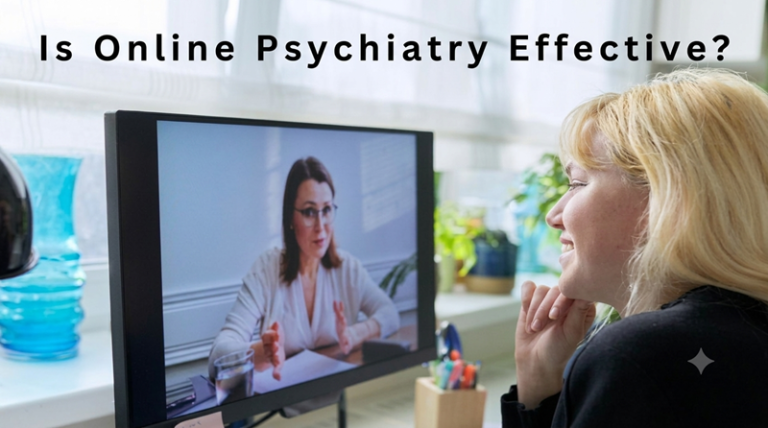
Individuals looking for psychiatric care in Orlando may inquire about psychiatric evaluations, psychiatric medication management, psychiatric follow-up and telehealth options. The appropriate services are based on each person’s needs and recommendations by their professional.
There are also those who enquire about ketamine infusion, including ketamine infusion Orlando, ketamine infusion Orlando FL, or ketamine infusion near me. Ketamine-based services are not suitable for all people, and suitability is determined on a case-by-case basis, based on the purpose of wanting the service and after a competent professional has evaluated.
Take the Next Step With Orlando Premier Psychiatry
Answers need not be done individually. If you have seen persistent shifts in mood, sleep, thoughts or daily functioning, you might want to schedule an appointment with Orlando Premier Psychiatry to discuss your concerns and find out what psychiatric services are available.
Please call (407) 565-3546 for appointment options, in-person visits and if there is telehealth option. A discussion can be useful to understand what the next steps might be without making a diagnosis first.
Final Thoughts
The first step in understanding Mental Illness Vs Psychiatric Disorder: Is There Any Difference? is to realize that the words typically mean the same thing. One is more readily used in the common way, and the other more frequently used in professional and diagnostic contexts.
Character, abilities and future are not defined by either label. The most important thing is to know the signs of the symptoms, when they are impairing functioning in every day life, and how to get information and help when it is needed.
If you are worried about your emotional health, Orlando Premier Psychiatry can be there to discuss the psychiatric services that are available and what you can do. The transition to the first step can start with a simple conversation.
Frequently Asked Questions
1. Is mental illness the same as a psychiatric disorder?
The terms may overlap and will sometimes be used interchangeably. Mental illness is a normal part of everyday language and psychiatric disorder is used as a professional term for a disorder judged against set diagnostic criteria.
2. Can a person have a psychiatric disorder without knowing it?
Yes. Changing mood, thoughts or behavior is not immediately noticeable for some. The symptoms may be gradually or a person may feel fine when they are present. If there are ongoing worries, a professional assessment may assist with any uncertainty.
3. Does having a mental illness mean someone cannot live normally?
No. People with mental health problems have families, jobs, school and go about their daily lives. Everyone’s symptoms are different and the appropriate support can assist individuals to live normal lives despite their symptoms.
4. When should I contact a psychiatrist?
In cases where emotional or behavioral symptoms last, increase or become disruptive in sleep, relationships, work, school or everyday functioning, consider a psychiatrist. If symptoms pose a current danger to self or others, get immediate assistance.
5. Can a psychiatrist help me understand my symptoms?
Yes. A psychiatrist can address your concerns, discuss your personal and health history, evaluate your symptoms, and discuss your next steps. No diagnoses necessary before the appointment.
Medical Disclaimer: This information is for educational purposes only and does not constitute medical advice. It is not a substitute for an individualized assessment, diagnosis, or guidance from a qualified health professional.
References
- National Institute of Mental Health (NIMH). Mental Illness. https://www.nimh.nih.gov/health/statistics/mental-illness
- American Psychiatric Association. Diagnostic and Statistical Manual of Mental Disorders (DSM-5-TR). https://www.psychiatry.org/psychiatrists/practice/dsm
- World Health Organization (WHO). Mental disorders. https://www.who.int/news-room/fact-sheets/detail/mental-disorders